

05 Oct 2026
Online MBA in Healthcare Management: Benefits, Career Scope & Salary


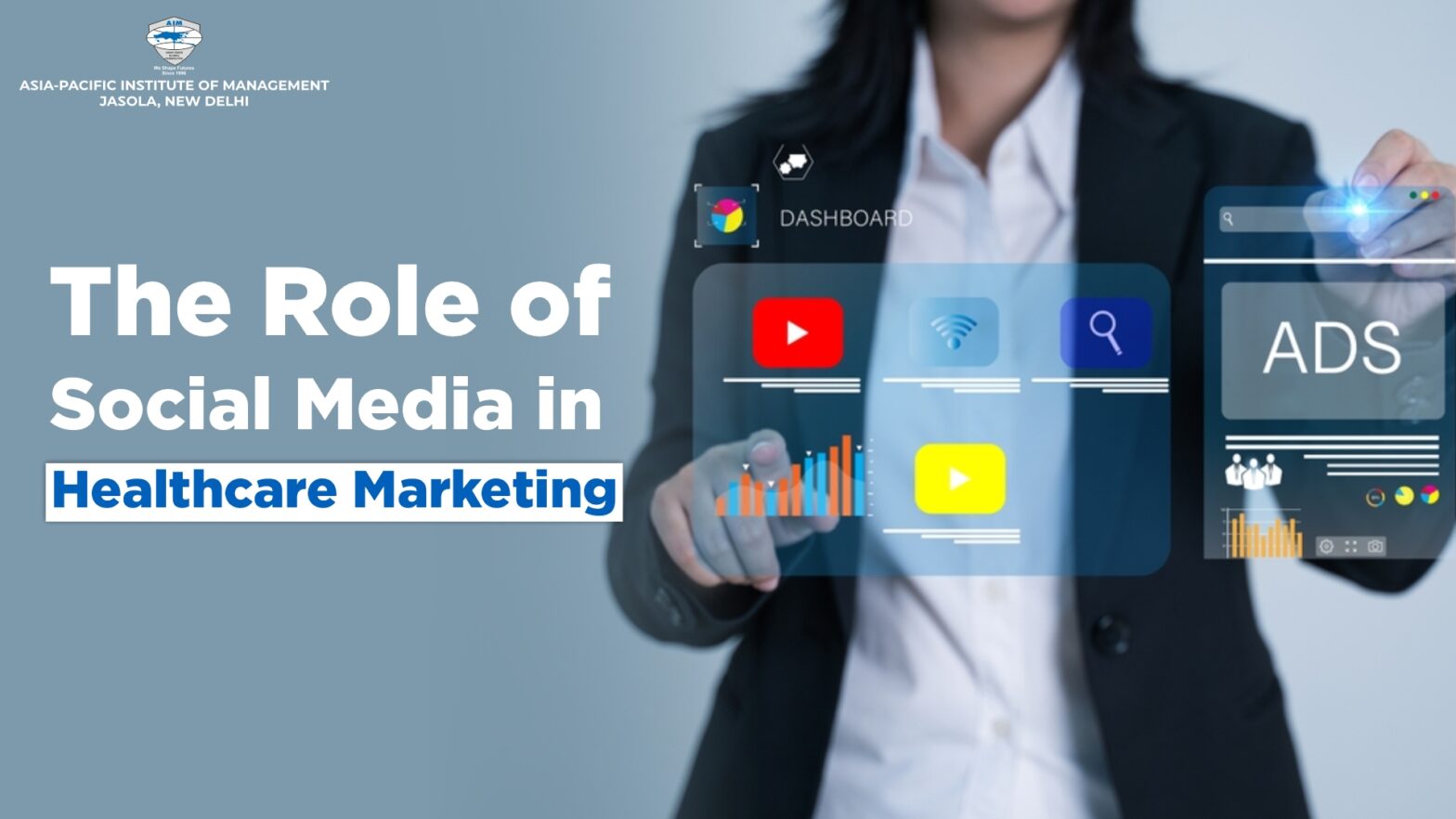
Social media has established itself as a boon of all the existing industries, and healthcare is also one of them. Today, Social media presence asserts dominance and the healthcare providers, pharmaceutical companies, and wellness brands use social media to engross patients, build trust, and share important medical information.
Social media platforms like Facebook, Instagram, X, LinkedIn, and YouTube have been of a huge help to the healthcare industry in marketing by shifting from the old age advertising tools to a much better collaborative and patient-focused style.
Learn healthcare management, digital marketing, and leadership skills with an industry-focused MBA program designed for future professionals.
Social media has been a very important part of the healthcare industry because it allows medical professionals to directly interact with the general public to spread awareness. It permits administrations to:
Effective Social Media Strategies in Healthcare Marketing
Creating and sharing high-quality, informative content helps healthcare organizations establish themselves as thought leaders. This includes blog posts, infographics, video content, and live Q&A sessions.
Example: Mayo Clinic shares blog posts and expert opinions on common medical conditions, offering reliable information to patient's health worldwide.
Collaborating with healthcare influencers, including doctors, wellness experts, and patient advocates could; helps increase credibility and reach a larger audience.
Example: Pharmaceutical companies collaborate with doctors on Instagram to discuss new drugs and equipment.
Prepare for leadership roles in hospitals, healthcare brands, and digital health companies through practical MBA learning.
Sharing real patient experiences helps builds trust and reassures potential about the quality of healthcare services.
Example: Hospitals post videos of patients recovering from critical illnesses to inspire and educate their audience.
Hosting live Q&A sessions or webinars with healthcare professionals fosters direct communication with audiences and educates them about relevant health topics.
Example: A paediatric clinic might conduct live sessions discussing child nutrition and vaccinations.
Paid campaigns on Facebook, Instagram, and LinkedIn target specific demographics, ensuring healthcare services reach the right audience.
Example: A dental clinic can use targeted ads to promote teeth-whitening services to young adults in a particular state/city.
Challenges in Social Media Healthcare Marketing
Despite its advantages, social media marketing in healthcare comes with challenges:
Healthcare organizations must adhere to laws like HIPAA (Health Insurance Portability and Accountability Act) and GDPR (General Data Protection Regulation) to protect patient data and confidentiality.
The spread of false medical claims can mislead patients. Organizations must ensure their content is accurate and evidence-based.
Public platforms allow patients to voice their opinions, and negative reviews can impact a healthcare provider’s reputation. Proper crisis management strategies are essential.
Healthcare content must be handled delicately to respect patient privacy and avoid causing unnecessary panic or distress.
As technology advances, new trends in healthcare marketing via social media are emerging:
AI-powered chatbots on social media platforms provide instant responses to patient queries and assist in appointment scheduling.
AR/VR technologies enable immersive experiences, such as virtual hospital tours or demonstrations of surgical procedures.
Platforms like TikTok and Instagram Reels are increasingly used to create engaging and educational short videos on health topics.
Many healthcare providers are using social media to promote their tele-health services, making healthcare more accessible to remote patients.
Social media has transformed healthcare marketing by fostering communication, building trust, and enhancing patient education. While challenges exist, effective strategies and ethical marketing practices can ensure that social media remains a powerful tool in the healthcare industry. As digital trends continue to evolve, healthcare organizations must adapt and innovate to maximize their reach and impact in the digital world.
Gain industry exposure, healthcare expertise, and management skills with a career-focused MBA healthcare management program.


05 Oct 2026
Online MBA in Healthcare Management: Benefits, Career Scope & Salary

05 Oct 2026
From Clinical to Corporate: How Healthcare Professionals Can Move Into Management

03 Oct 2026
Executive MBA for Clinical Professionals: Career & Leadership Guide

01 Oct 2026
MBA Healthcare After Life Sciences: Jobs, Industries & Career Opportunities

30 Sep 2026
Executive MBA for Healthcare Operations Managers: Career Growth Guide






BBA Brochure

PGDM Brochure
MBA Brochure

.webp) Call Us
Call Us