

02 Mar 2026
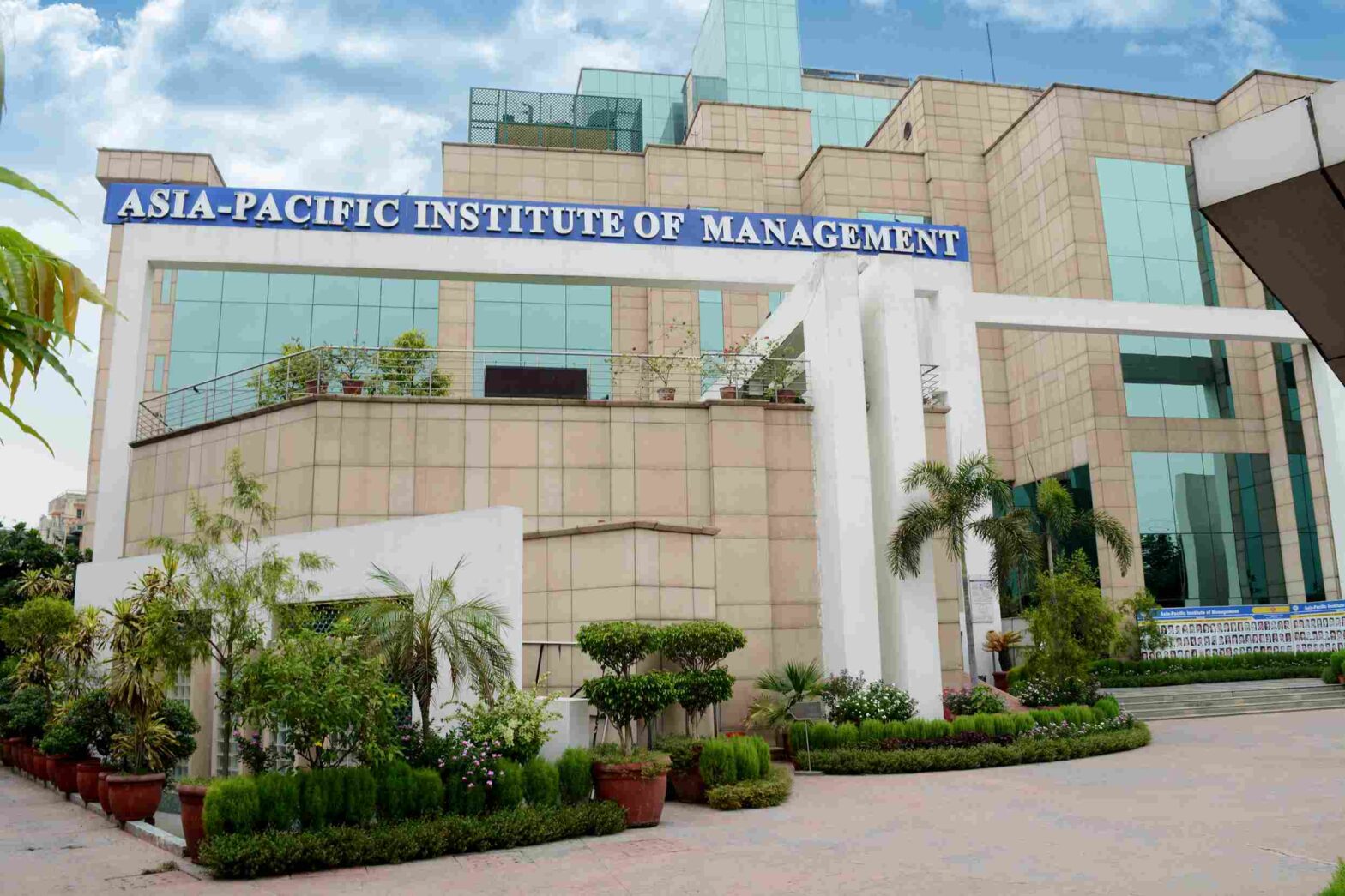
Asia Pacific Institute of Management, New Delhi: Admission 2026, Cutoff, Courses, Fees, Placements

By
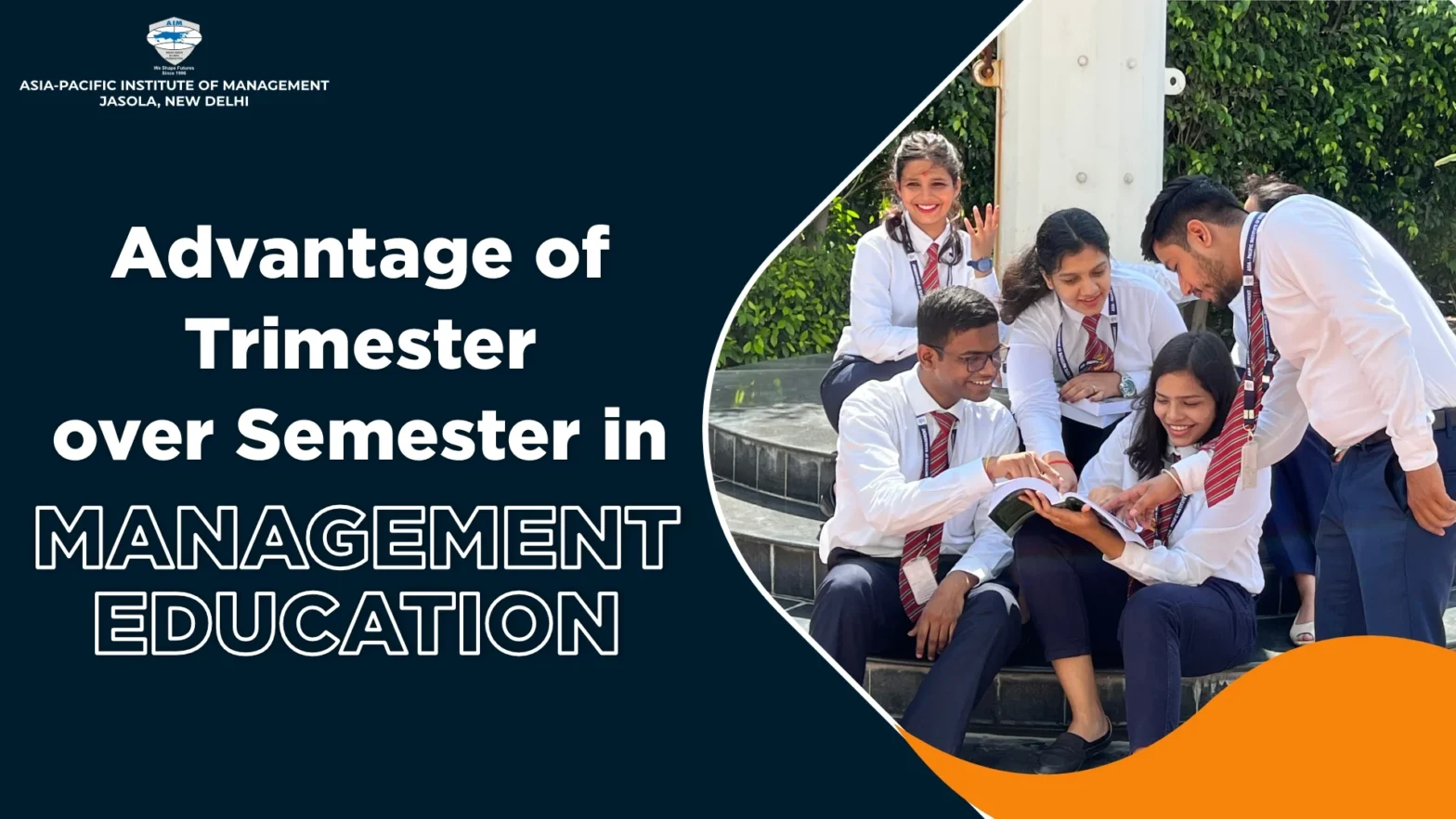
In the evolving landscape of management education, institutions are continuously exploring innovative pedagogical approaches to equip students with the skills and knowledge required for a dynamic business environment. One such approach is the trimester system, which offers several advantages over the traditional semester system. It is important to delve into why the trimester system is increasingly being adopted by leading management institutes and how it benefits students.
The trimester system’s shorter duration—typically 12-14 weeks per term—ensures a faster pace of learning. With frequent assessments and evaluations, students remain engaged and focused, minimizing procrastination. The accelerated schedule also allows for more efficient coverage of the curriculum, fostering a sense of urgency and discipline among students.
Trimesters offer greater flexibility in curriculum design. Institutions can introduce new courses or update existing ones more quickly, ensuring that the curriculum remains aligned with the latest industry trends and technological advancements. This adaptability is crucial in management education, where relevance to current business practices is paramount.
The trimester system facilitates more frequent interactions with industry professionals through guest lectures, workshops, and internships. This increased frequency enables institutions to incorporate real-time industry insights into the curriculum, ensuring that students are better prepared for the demands of the corporate world.
By exposing students to new subjects and topics more frequently, the trimester system reduces monotony and disengagement. The shorter terms keep students motivated and focused, leading to better retention of concepts and a more enriching learning experience.
Management education in a trimester system mirrors the fast-paced and dynamic nature of the business environment. This prepares students to adapt quickly, think critically, and respond effectively to challenges, making them more employable and attractive to recruiters.
With three terms per academic year, students have more opportunities to explore and specialize in specific areas of management, such as finance, marketing, operations, or human resources. This allows for deeper dives into subjects of interest, enhancing expertise and career prospects.
The condensed timeline of trimesters teaches students to manage their time effectively. Balancing multiple subjects and assignments within a shorter timeframe instils discipline and prioritization skills—essential traits for successful managers.
While the trimester system offers several advantages, understanding its differences from the semester system highlights why it is better suited for management education:
Trimesters: Typically, 12-14 weeks per term.
Semesters: Usually 16-18 weeks per term.
Trimesters allow for quicker progression, enabling institutions to cover more content in a shorter period.
Trimesters: Often have a heavier course load with more subjects and credits.
Semesters: Tend to have a lighter course load, spread over a longer period.
Trimesters encourage students to adapt to intense schedules, reflecting the realities of a demanding business environment.
Trimesters: More frequent assessments and evaluations.
Semesters: Fewer assessments, typically mid-term and final exams.
Frequent evaluations in trimesters promote consistent learning and timely feedback, allowing students to identify and address gaps early.
Trimesters: Highly flexible, enabling quick updates and additions.
Semesters: More rigid, with fewer opportunities for curriculum changes.
Trimesters ensure the curriculum stays relevant and aligned with industry needs.
Preparing Students for a Dynamic Business World
The trimester system’s structure and benefits align closely with the needs of today’s business environment. Here’s how it prepares students for success:
The fast-paced nature of trimesters mirrors the speed and unpredictability of the corporate world, teaching students to adapt quickly.
Frequent exposure to new topics fosters a culture of continuous learning and curiosity, traits highly valued by employers.
With shorter terms, students can participate in multiple internships or live projects, gaining diverse experiences and expanding their professional networks.
Many top international B-schools, including those in the United States and Europe, follow a trimester system. Adopting this structure ensures global compatibility and recognition for students.
Challenges and How to Overcome Them
While the trimester system has numerous advantages, it also presents certain challenges:
Students may find the fast-paced schedule demanding. Effective time management and prioritization are essential to thrive.
The condensed timeline may leave less room for extracurricular engagements. Institutions can address this by integrating extracurricular into the academic schedule.
Students transitioning from a semester system may require an initial adjustment period. Orientation programs and mentoring can ease this transition.
The trimester system offers a dynamic, flexible, and industry-aligned approach to management education. By fostering adaptability, enhancing employability, and providing more opportunities for specialization, it prepares students for the fast-paced and ever-changing business world. While it demands dedication and effective time management, the rewards in terms of personal growth and career readiness are unparalleled.
For institutions aiming to deliver world-class management education, adopting the trimester system is not just an option—it’s a necessity. It ensures that students are not only well-versed in evolving theoretical concepts but also equipped with the practical skills and mind-set needed to excel in their careers as of now and be future ready.
02 Mar 2026
Asia Pacific Institute of Management, New Delhi: Admission 2026, Cutoff, Courses, Fees, Placements
17 Nov 2025
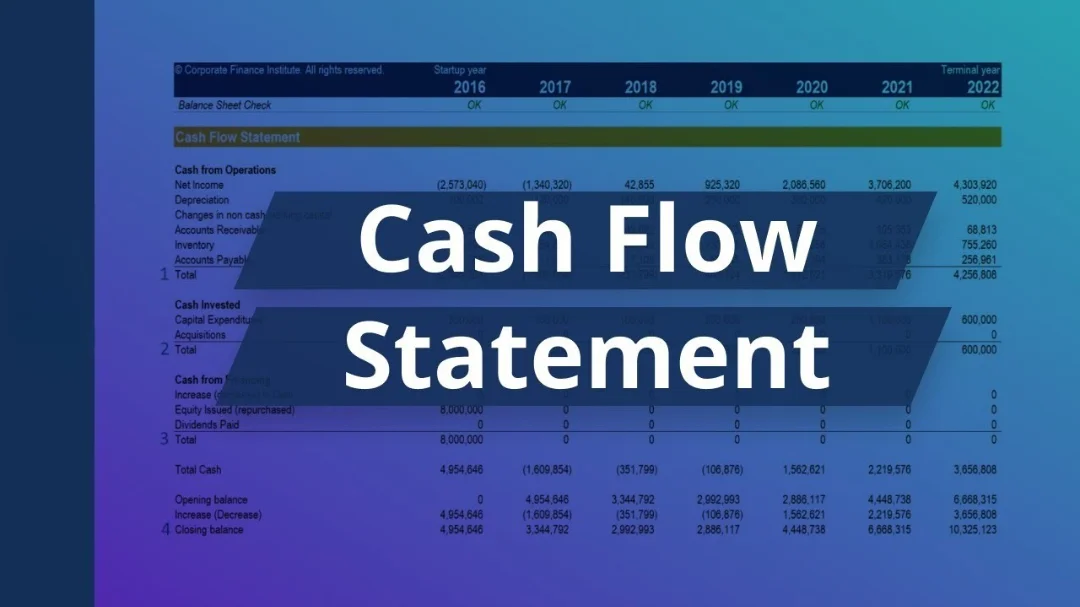
CASH FLOW STATEMENT(AS – 3)

17 Nov 2025
National Summit on CSR organised by Asia-Pacific Institute of Management & INDIACSR at New Delhi
13 Nov 2025
Applications of Artificial Intelligence in Business

04 Nov 2025
4-Day Orientation-cum-Industry Connect Programme Asia Pacific Institute of Management, New Delhi






M.Sc/B.Sc Brochure

PGDM Brochure
MBA Brochure


.webp) Call Us
Call Us