Team management refers to the practice of leading, organizing, and coordinating team members to accomplish specific objectives. It involves planning tasks, assigning responsibilities, resolving conflicts, monitoring performance, and fostering collaboration. Effective team management helps organizations improve productivity, employee engagement, and overall business performance.
2. Definition
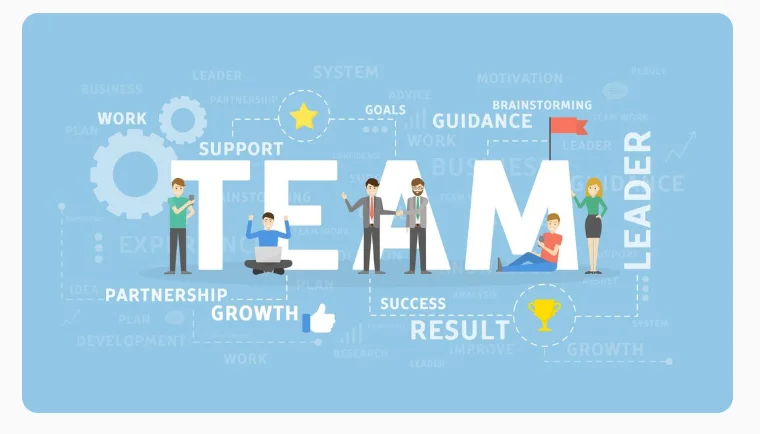
Team management is the process of overseeing and guiding a group of individuals to work together effectively toward common goals. It includes communication, delegation, motivation, performance evaluation, and conflict resolution. Strong team management ensures that team members remain focused, productive, and aligned with organizational objectives.
3. Key Highlights
- Team management focuses on coordinating people and resources effectively.
- It involves planning, delegation, communication, and performance monitoring.
- Effective team management improves collaboration and productivity.
- Managers play a key role in motivating and supporting team members.
- Conflict resolution is an important aspect of team management.
- Strong team management contributes to organizational success and employee satisfaction.
4. Detailed Explanation
Team management is a critical management function that ensures individuals work together efficiently to achieve shared objectives. Managers are responsible for setting goals, assigning tasks, monitoring progress, and providing support to team members. Effective team management requires strong communication, leadership, and problem-solving skills. It also involves creating a positive work environment where employees feel motivated and valued. Organizations that practice effective team management often experience better productivity, improved teamwork, and higher employee engagement. In today's dynamic workplace, team management helps businesses adapt to challenges and achieve sustainable growth.
5. Examples / Applications
- A project manager coordinating team members to complete a project on schedule.
- A department head assigning responsibilities and monitoring employee performance.
- A sales manager motivating a team to achieve monthly sales targets.
- A startup founder managing cross-functional teams to launch a new product.
- An HR manager resolving workplace conflicts to improve collaboration.
6. Related Terms
- Leadership
- Team Building
- Organizational Behavior
- Employee Motivation
- Performance Management
7. Why This Term Matters for Students
- Helps students understand how organizations coordinate people and tasks.
- Develops knowledge of leadership, communication, and teamwork skills.
- Prepares future managers for workplace responsibilities and team leadership roles.
Start UG Journey
Explore undergraduate programs that build practical knowledge, career readiness, and strong foundations for future success.
Apply Now
→












.webp) Call Us
Call Us