

14 Oct 2026
AI and Management Education: How AIM Is Preparing Students for the Future of Business


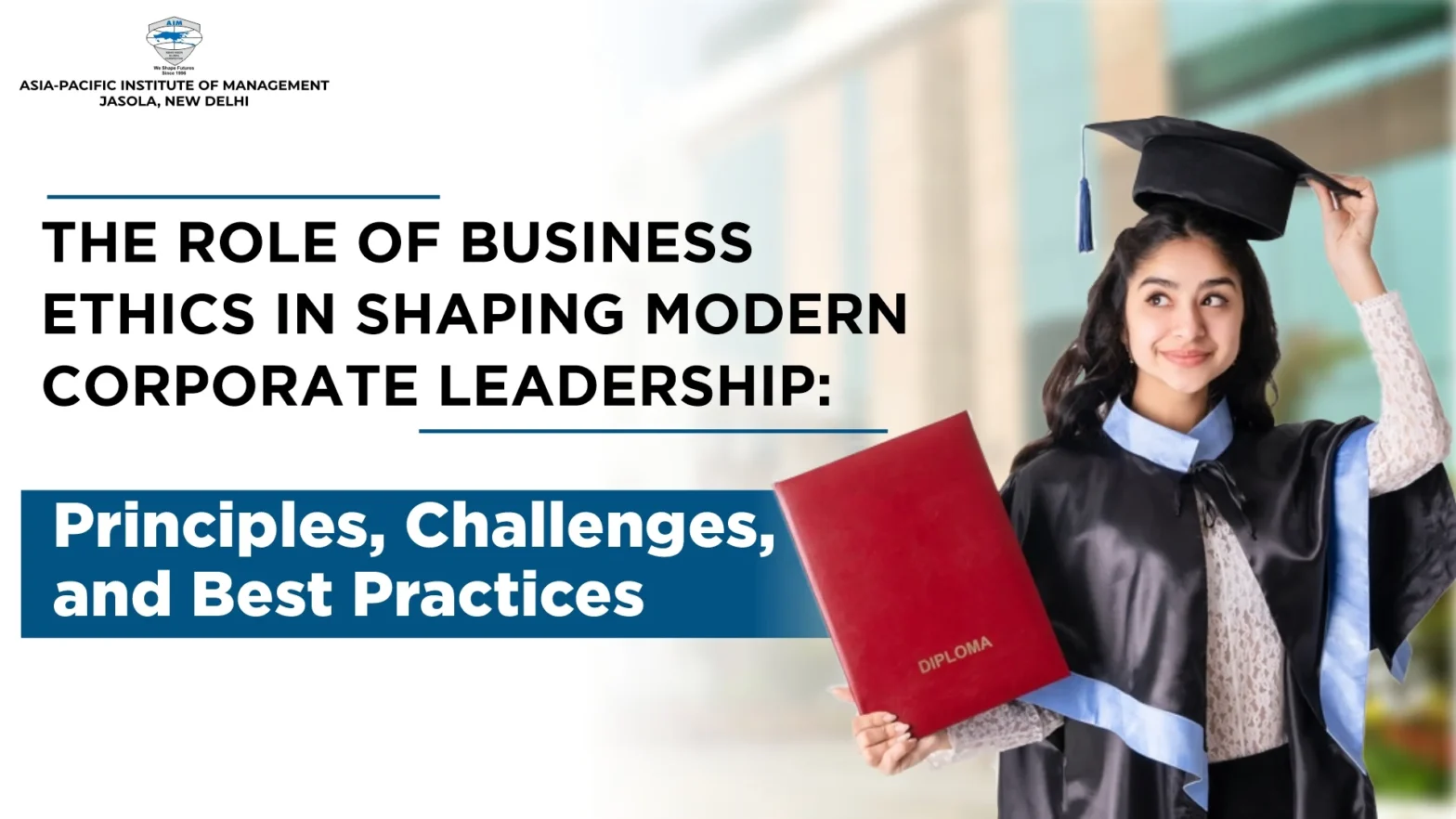
Today, I’ve been reflecting on how deeply ethics shape the world of business and leadership. It’s fascinating to see how far we’ve come in understanding that ethical practices aren’t just about ticking boxes or avoiding scandals; they’re about creating trust, driving innovation, and building something sustainable for the long haul. As I think about this, a few key themes stand out to me.
First, let’s talk about the essence of business ethics. At its core, it’s all about the moral principles guiding people and organizations in their decisions and actions. Transparency, fairness, accountability—these are the pillars of ethical business conduct. And when ethics are paired with strong corporate governance, the result is an organization that not only thrives financially but also earns respect and admiration. It’s a beautiful synergy, really. Leaders who embrace these principles foster resilience and trust in their companies.
Build ethical leadership skills and gain industry-ready management expertise to create sustainable business impact and career growth.
Apply Now →I’ve been thinking about why ethics are so important in management. They’re the foundation for making sound decisions that align with what society expects from businesses. When leaders prioritize ethics, they build trust with employees and customers alike. Trust, after all, is the currency of successful relationships. And then there’s the reputational edge—companies known for doing the right thing often stand out in a crowded marketplace. Ethical workplaces also tend to be happier ones, where morale is high and people feel motivated to innovate. It’s clear: ethical leaders drive positive change from within.
Leadership itself is such a critical piece of the puzzle. Ethical leadership means walking the talk—leading with integrity, taking responsibility for decisions, and always considering how actions impact stakeholders. Empathy and vision are just as important. It’s inspiring to think about how leaders who set high ethical standards end up creating cultures where collaboration and trust thrive.
Another thought that’s been on my mind is the interplay between ethics and corporate social responsibility (CSR). The two go hand in hand. When companies take the initiative to reduce their environmental impact, engage with communities, or ensure fair labour practices, they’re showing the world that they care about more than just profits. These efforts—whether it’s promoting renewable energy, supporting education, or partnering with ethical suppliers—strengthen the bond between businesses and their stakeholders. It’s like a ripple effect of good.
Of course, living up to high ethical standards isn’t always easy. There are challenges—in fact many challenges. Globalization complicates things, with varying standards across countries. The rapid pace of technology raises questions about data privacy and AI ethics. And then there’s the constant pressure for short-term profits, which can tempt leaders to cut corners. Cultural diversity and corruption add more layers of complexity. But with strong ethical frameworks and continuous learning, these hurdles can be overcome.
I’ve also been mulling over the guiding principles of business ethics: honesty, fairness, respect, responsibility, and sustainability. These aren’t just lofty ideals—they’re practical, actionable guides that help businesses navigate tough decisions. Whether it’s ensuring fair treatment of stakeholders or communicating transparently, these principles pave the way for trust and long-term success.
And what about decision-making? Ethics play a pivotal role here too. They guide strategy, help manage risks, and enhance reputations. When decisions are grounded in ethical practices, organizations become more innovative and resilient. It’s as though ethics provide a compass for navigating the uncertainties of the corporate world.
Finally, there’s the symbiotic relationship between business ethics and sustainability. Companies that commit to sustainable practices—like reducing their carbon footprint or promoting diversity—are essentially putting their ethical principles into action.
To make all of this happen, leaders need to take proactive steps. Establishing a clear code of ethics, providing training, leading by example, and fostering open communication are just a few ways to embed ethics into the fabric of an organization. Regular monitoring and audits help ensure compliance and uncover areas for improvement.
As I wrap up these thoughts, one thing is clear: ethics are the cornerstone of effective leadership. They guide decision-making, inspire trust, and drive sustainability. Whether you’re just starting out or leading a major corporation, embracing ethical principles is the way forward. And isn’t that what truly makes a company stand out?
Start your PGDM journey and develop strategic, ethical, and leadership capabilities for long-term professional success today.
Apply Now →

14 Oct 2026
AI and Management Education: How AIM Is Preparing Students for the Future of Business

13 Oct 2026
Practical Learning in PGDM: Why It Matters and How AIM Integrates It Into Management Education

12 Oct 2026
Management Skills for Students: How AIM Builds Communication, Leadership and Problem-Solving

10 Oct 2026
Management Skills for Students: How Industry Interaction Adds Value to Management Education at AIM

09 Oct 2026
Classroom to Corporate: How AIM Prepares Students for the Business World






BBA Brochure

PGDM Brochure
MBA Brochure

.webp) Call Us
Call Us