The healthcare industry in India is evolving rapidly. With innovation, digital health, and patient-centric care gaining momentum, healthcare entrepreneurship is becoming a powerful career path.
For students completing an MBA in hospital and healthcare management, starting a healthcare startup is no longer a distant dream. Instead, it is a practical and rewarding opportunity—especially in regions like Delhi NCR, where healthcare demand continues to grow.
Launch Healthcare Ventures
Gain business, innovation, and leadership skills needed to build scalable healthcare startups and drive meaningful impact.
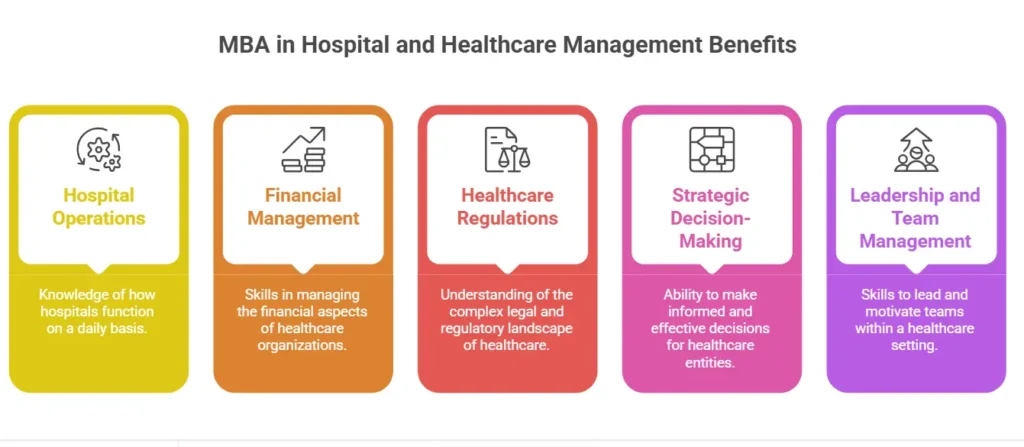
An MBA in hospital and healthcare management equips students with both clinical understanding and business expertise.
Key benefits include:
Knowledge of hospital operations
Financial management skills
Understanding of healthcare regulations
Strategic decision-making ability
Leadership and team management
Institutes like Asia Pacific Institute of Management emphasize practical learning and industry exposure, which helps students understand real-world healthcare challenges before launching a venture.
Step-by-Step Guide to Build a Healthcare Startup
Step 1: Identify a Healthcare Problem
Every successful startup solves a problem.
Ask questions like:
Is there a gap in patient care?
Are services too expensive or inaccessible?
Can technology improve efficiency?
Focus on real, scalable problems.
Step 2: Choose Your Business Model
Your business model defines how your startup will operate.
Common models include:
Clinic or hospital setup
Diagnostic center
Health-tech platform
Home healthcare services
Wellness and preventive care
Choose a model that aligns with your expertise and market demand.
However, healthcare entrepreneurship provides independence and high growth potential.
Choosing the Right Institute Matters
Your foundation plays a crucial role in your success.
When selecting among the best colleges for mba in healthcare management, consider:
Industry exposure
Internship opportunities
Practical training
Placement support
Curriculum relevance
Asia Pacific Institute of Management offers an industry-aligned curriculum, corporate exposure, and hands-on learning. This prepares students not just for jobs, but also for entrepreneurial ventures in healthcare.
Why Delhi NCR is Ideal for Healthcare Startups
Delhi NCR is one of the best regions to launch a healthcare business.
Key advantages:
Large and diverse population
Access to skilled professionals
Advanced healthcare ecosystem
Strong investor network
This makes it a strategic location for aspiring healthcare entrepreneurs.
An MBA provides the required business and operational skills
Practical exposure is critical before starting a venture
Choosing the right institute improves success chances
Delhi NCR offers strong opportunities for healthcare startups
Conclusion
Healthcare’s future lies with the innovators. Entrepreneurship in healthcare provides an ideal chance to blend passion and profit.
With proper training, capabilities, and approach, MBA students have the potential to launch successful ventures in healthcare. Selecting the right program is key.
About the Author
Dr. Vikas Gupta
Dr. Vikas Gupta is a distinguished academic in the education and research domain, specializing in finance and related interdisciplinary studies. He is known for his...

















.webp) Call Us
Call Us