The Role of Healthcare Managers in Implementing the National Digital Health Mission (NDHM)
Posted on 21 Jul 2026
By Dr. Vikas Gupta
Introduction
India is rapidly embracing digital transformation in healthcare. From online appointments and telemedicine to digital patient records and interoperable health platforms, technology is reshaping how healthcare services are delivered across the country.
One of the biggest drivers of this transformation is the Ayushman Bharat Digital Mission (ABDM), previously known as the National Digital Health Mission (NDHM). As healthcare providers adopt digital systems, there is a growing demand for professionals who can manage technology implementation, hospital operations, patient data, and organizational change.
This shift is creating exciting national digital health mission jobs for healthcare management graduates. Hospitals, health-tech companies, public health organizations, consulting firms, and government-supported healthcare initiatives increasingly seek professionals who understand both healthcare operations and digital transformation.
This blog explores the role of healthcare managers in implementing India's digital healthcare ecosystem and the career opportunities emerging in this rapidly evolving field.
Lead Digital Health
Build healthcare management skills to implement ABDM systems, digital records, public health projects, and technology-driven patient services confidently.
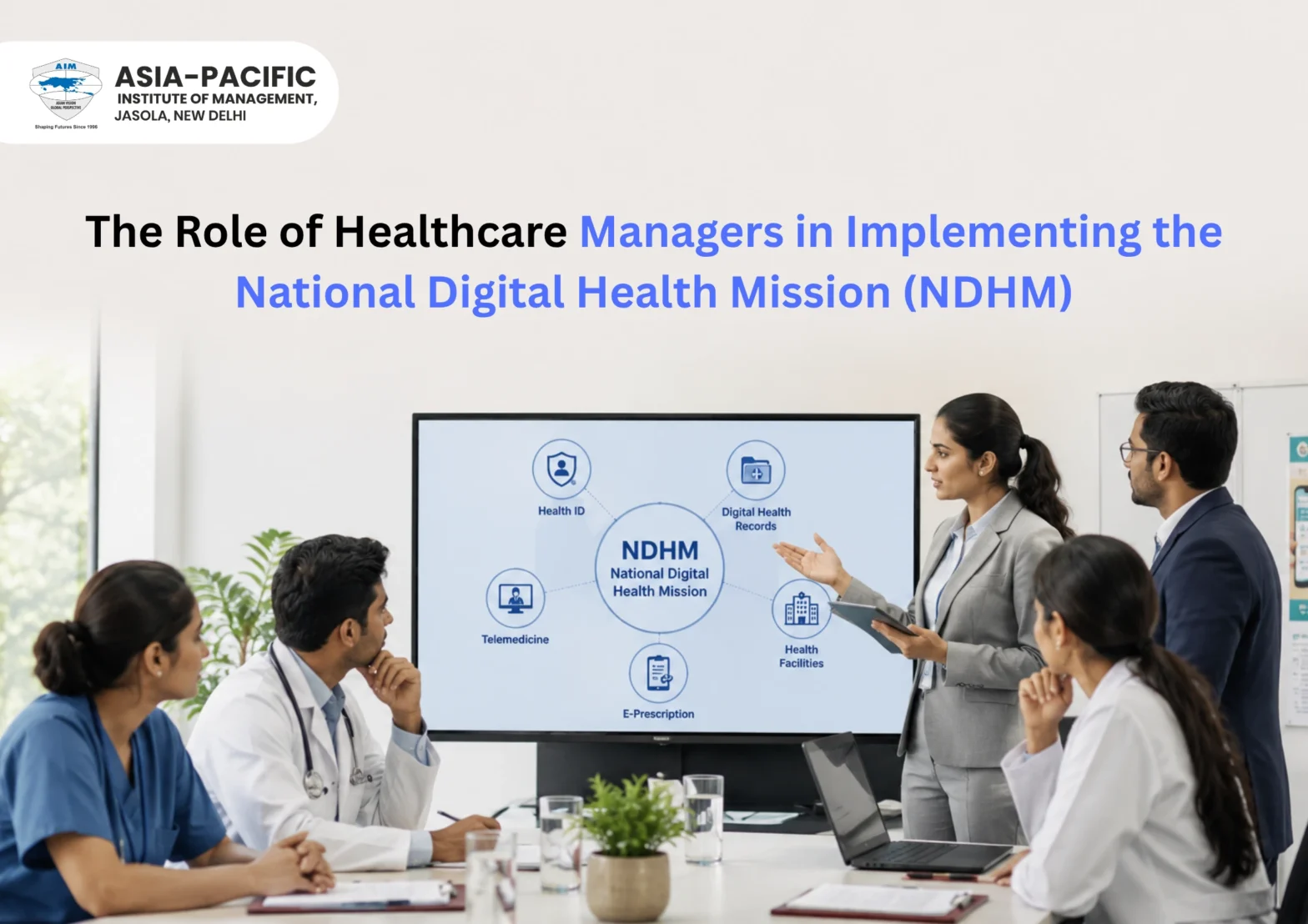
The National Digital Health Mission (NDHM), now known as the Ayushman Bharat Digital Mission (ABDM), is a Government of India initiative that aims to create an integrated digital healthcare ecosystem.
The mission seeks to improve healthcare delivery by enabling secure digital access to health information while enhancing coordination between patients, hospitals, healthcare professionals, laboratories, pharmacies, and insurers.
The digital ecosystem includes:
ABHA (Ayushman Bharat Health Account)
Digital health records
Health facility registry
Healthcare professional registry
Digital consent management
Interoperable healthcare systems
These initiatives help improve continuity of care while making healthcare services more accessible and efficient.
Why Digital Healthcare Is Growing in India
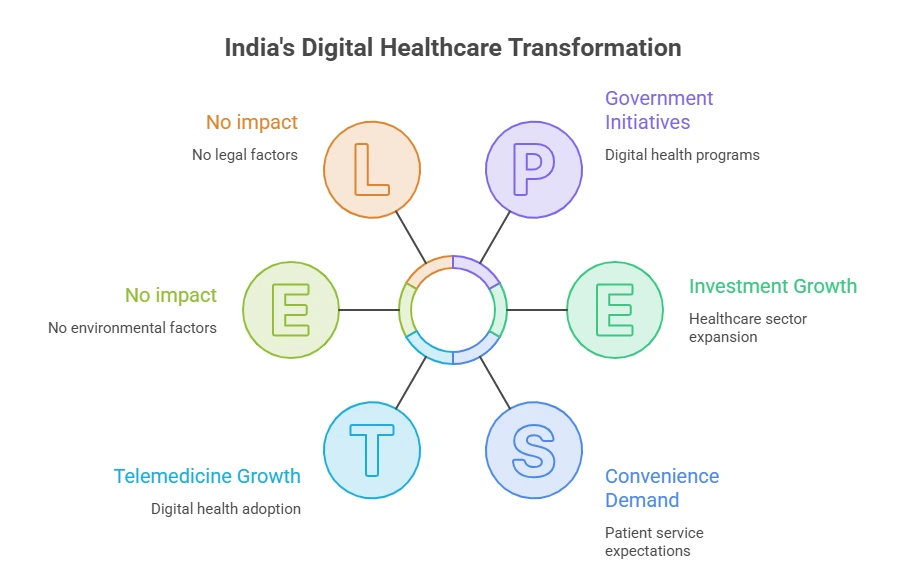
India's healthcare system is becoming increasingly digital because of several factors.
These include:
Rising smartphone usage
Expansion of internet connectivity
Growth of telemedicine
Government digital health initiatives
Increasing healthcare investments
Demand for faster healthcare services
Growing health-tech startups
Adoption of cloud-based healthcare systems
Digital transformation helps improve patient convenience while supporting better healthcare decision-making.
National Digital Health Mission Jobs: Why Demand Is Rising
The implementation of digital healthcare systems has increased demand for professionals capable of managing healthcare operations alongside technology.
Today, national digital health mission jobs extend beyond software development. Healthcare organizations also require managers who can coordinate implementation, train staff, improve workflows, ensure compliance, and support patient adoption.
Common employment sectors include:
Multi-specialty hospitals
Government healthcare programmes
Health-tech companies
Public health organizations
Digital healthcare startups
Health insurance companies
Healthcare consulting firms
Diagnostic laboratories
Healthcare managers play a critical role in ensuring that digital initiatives improve both operational efficiency and patient experience.
The ABHA (Ayushman Bharat Health Account) number provides individuals with a unique digital health identity that supports secure access to healthcare services.
Healthcare managers may contribute by:
Supporting patient registration processes
Coordinating hospital implementation
Training administrative teams
Improving patient awareness
Ensuring accurate documentation
Monitoring operational workflows
Facilitating digital adoption
Efficient ABHA implementation improves continuity of care across healthcare providers.
Digital Health Infrastructure: Building the Foundation
Electronic Health Records (EHRs) allow authorized healthcare providers to access patient information securely, improving continuity of care and reducing duplication of medical records.
Benefits include:
Faster access to patient history
Improved clinical coordination
Reduced paperwork
Better treatment planning
Enhanced patient safety
More efficient hospital operations
Healthcare managers oversee implementation, staff training, workflow integration, and operational monitoring during EHR adoption.
Manage ABDM Projects
Prepare for digital healthcare roles with practical MBA learning in operations, compliance, analytics, and change management through expert mentorship today.
Healthcare organizations often face challenges during digital transformation.
These include:
Resistance to change
Staff training requirements
Data privacy concerns
Technology integration
Infrastructure limitations
Patient awareness
Workflow redesign
Regulatory compliance
Healthcare managers help organizations address these challenges through structured planning and effective communication.
Career Opportunities in National Digital Health Mission Jobs
Healthcare management graduates can explore roles such as:
Digital Health Project Coordinator
Healthcare Operations Manager
Health Information Manager
Public Health Programme Executive
Hospital Administrator
Healthcare Consultant
Digital Transformation Executive
Patient Experience Manager
Healthcare Quality Manager
Health-Tech Operations Manager
These careers combine healthcare management with technology-driven innovation.
How MBA or PGDM Helps Build Digital Healthcare Careers
Healthcare management programmes develop business and operational skills needed for modern healthcare organizations.
Students typically learn:
Hospital administration
Healthcare operations
Healthcare information systems
Project management
Strategic management
Healthcare quality
Business analytics
Leadership
Human resource management
Digital transformation
At Asia Pacific Institute of Management, students benefit from an industry-oriented curriculum, experienced faculty, practical learning, live projects, internships, corporate exposure, and placement support. These experiences prepare graduates for careers across hospitals, digital health organizations, healthcare consulting firms, government healthcare initiatives, and health-tech companies.
Future of Digital Healthcare in India
India's digital healthcare ecosystem is expected to continue expanding as healthcare providers adopt advanced technologies and integrated healthcare platforms.
Future opportunities are likely to grow in areas such as:
Digital hospitals
Artificial Intelligence
Telemedicine
Healthcare analytics
Population health management
Home healthcare
Remote patient monitoring
Healthcare cybersecurity
Digital public health programmes
Healthcare managers will remain essential for successfully implementing these innovations while ensuring operational excellence.
The growth of national digital health mission jobs reflects India's commitment to building a connected, technology-enabled healthcare system. As hospitals and public health organizations continue adopting digital platforms, healthcare managers are becoming key drivers of successful implementation.
From abha card management and digital health infrastructure to electronic health records india and government healthcare projects, healthcare management professionals help bridge the gap between healthcare delivery and digital innovation.
For students aspiring to build future-ready careers, healthcare management offers the opportunity to contribute to one of India's most significant healthcare transformations.
At Asia Pacific Institute of Management, students gain industry-oriented education, practical exposure, experienced faculty guidance, live projects, internships, and placement support that prepare them to lead the future of digital healthcare.
Build Health-Tech Leadership
Turn digital health interest into career-ready expertise for EHR implementation, ABHA workflows, consulting, and hospital transformation roles successfully.
Dr. Vikas Gupta is a distinguished academic in the education and research domain, specializing in finance and related interdisciplinary studies. He is known for his...
01.
What are national digital health mission jobs?
These are roles that support the implementation, management, and operation of India’s digital healthcare ecosystem across hospitals, health-tech companies, and public health organizations.
02.
What is ABHA card management?
ABHA card management involves supporting the registration, operational use, and adoption of the Ayushman Bharat Health Account within healthcare organizations.
03.
Why is digital health infrastructure important?
Digital health infrastructure enables secure healthcare information sharing, improves operational efficiency, and supports better patient care.
04.
What are electronic health records in India?
Electronic Health Records are digital patient records that help healthcare providers securely access and manage medical information.
05.
What is the role of healthcare managers in government healthcare projects?
06.
Is public health administration becoming more digital?
Yes. Government healthcare programmes increasingly use digital platforms for monitoring, reporting, service delivery, and population health management.
07.
Can MBA Healthcare graduates work in digital healthcare?
Yes. MBA and PGDM Healthcare graduates can pursue careers in hospitals, health-tech companies, digital transformation projects, consulting firms, and public healthcare organizations.

















.webp) Call Us
Call Us