MBA Healthcare for Pharmacy (B.Pharm/M.Pharm) Graduates: How to Jump from R&D to Strategy
Posted on 23 Jul 2026
By Dr. Vikas Gupta
Introduction
A pharmacy degree opens the door to several career opportunities in healthcare, pharmaceuticals, research, manufacturing, and quality assurance. However, many B.Pharm and M.Pharm graduates eventually look beyond laboratory research and technical roles. They aspire to lead teams, manage healthcare businesses, shape marketing strategies, or contribute to business growth.
If you are exploring careers after bpharm without gpat, an MBA or PGDM in Healthcare Management can be a valuable pathway. It enables pharmacy graduates to combine their scientific knowledge with business, leadership, operations, and strategic decision-making skills.
This transition allows professionals to move from technical execution to managerial and strategic roles across pharmaceutical companies, hospitals, healthcare consulting firms, medical device organizations, health-tech companies, and healthcare startups.
Shift Into Strategy
Turn your pharmacy background into strategic healthcare leadership with MBA learning, live projects, internships, and placement-focused mentorship support.
Why Many Pharmacy Graduates Explore New Career Paths
Pharmacy education builds strong expertise in drug development, pharmacology, pharmaceutical chemistry, formulation science, and regulatory requirements.
However, after graduation, many professionals seek careers that offer:
Leadership opportunities
Business exposure
Better communication-focused roles
Cross-functional responsibilities
Strategic decision-making
Faster career progression
Corporate management positions
This is why many students search for careers after bpharm without gpat, especially if they prefer management over higher research studies.
Careers After BPharm Without GPAT
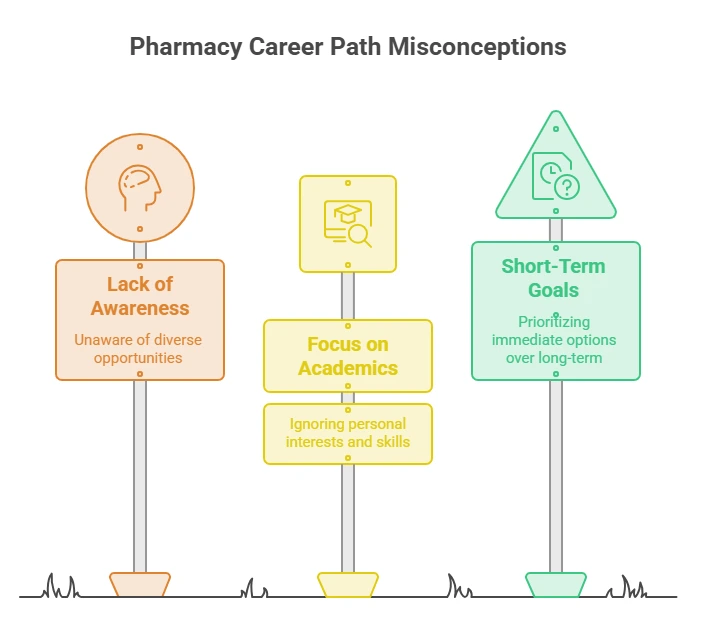
Students often believe that GPAT is the only pathway after B.Pharm. In reality, pharmacy graduates can explore several career opportunities depending on their interests and skills.
Popular career options include:
Pharmaceutical sales
Regulatory affairs
Clinical research
Hospital administration
Healthcare consulting
Medical devices
Pharmacovigilance
Drug safety
Medical writing
Health insurance
Quality assurance
Healthcare analytics
Product management
MBA or PGDM in Healthcare Management
Choosing the right path depends on long-term career goals rather than academic background alone.
Why Choose B Pharm to MBA Healthcare?
The transition from b pharm to mba healthcare has become increasingly popular because healthcare organizations need professionals who understand both science and business.
An MBA or PGDM develops knowledge in:
Healthcare management
Hospital administration
Pharmaceutical marketing
Healthcare operations
Business strategy
Financial management
Supply chain management
Healthcare analytics
Leadership
Project management
This combination creates opportunities beyond traditional pharmacy roles.
From R&D to Strategy: Understanding the Career Shift
Research and Development (R&D) focuses on scientific innovation, drug formulation, testing, and product development.
Strategy roles, on the other hand, involve:
Business planning
Market expansion
Product launches
Competitive analysis
Commercial strategy
Customer engagement
Revenue growth
Organizational development
Pharmacy graduates already understand healthcare products. Management education adds business thinking that supports strategic decision-making.
Entry-level management professionals generally receive competitive salaries, while experienced marketing managers, business leaders, and strategic managers earn significantly higher compensation along with performance incentives.
Instead of evaluating careers only by starting salary, students should focus on long-term growth, leadership opportunities, and industry exposure.
Skills Required for Strategic Healthcare Careers
Students moving from pharmacy to management should develop:
Business Communication
Presenting ideas clearly to clients and stakeholders.
Leadership
Managing teams and organizational projects.
Marketing Knowledge
Understanding customer behaviour and market positioning.
Financial Understanding
Learning budgeting and business planning.
Data Analysis
Using business data to support decision-making.
Problem-Solving
Developing practical solutions for healthcare challenges.
Strategic Thinking
Planning long-term business growth.
These skills complement scientific knowledge acquired during pharmacy education.
Graduates with pharmacy and management qualifications may explore careers across:
Pharmaceutical companies
Hospitals
Medical device organizations
Health-tech startups
Biotechnology firms
Healthcare consulting companies
Health insurance providers
Clinical research organizations
Government healthcare projects
Public health organizations
This diversity provides greater career flexibility.
How MBA Healthcare Builds Business Skills
MBA or PGDM Healthcare programmes combine healthcare knowledge with management education.
Students typically study:
Healthcare Operations
Hospital Administration
Pharmaceutical Marketing
Healthcare Finance
Business Analytics
Human Resource Management
Strategic Management
Supply Chain Management
Healthcare Economics
Healthcare Information Systems
Additionally, internships, case studies, live projects, and industry interactions help students apply classroom learning to real healthcare challenges.
Career Opportunities After MBA Healthcare
Pharmacy graduates with management education can pursue careers such as:
Healthcare Consultant
Product Manager
Hospital Administrator
Marketing Manager
Healthcare Operations Manager
Business Development Manager
Clinical Operations Manager
Strategy Executive
Healthcare Analyst
Pharmaceutical Brand Manager
These roles combine healthcare expertise with business leadership.
Why Asia Pacific Institute of Management?
For pharmacy graduates seeking leadership careers, Asia Pacific Institute of Management provides an industry-oriented learning environment that combines healthcare management with practical business education.
Students benefit from:
Industry-aligned curriculum
Experienced faculty
Live projects
Corporate exposure
Internships
Practical learning
Placement support
Leadership development
These experiences help graduates prepare for management roles across the healthcare industry.
Future of Pharmacy Management Careers
Healthcare continues to evolve through:
Digital health
Artificial Intelligence
Personalized medicine
Healthcare analytics
Biotechnology
Telemedicine
Medical devices
Hospital expansion
Pharmaceutical innovation
Management professionals who understand both healthcare science and business strategy will remain valuable across these emerging sectors.
Exploring careers after bpharm without gpat no longer means limiting yourself to traditional pharmacy roles. As India's healthcare industry expands, pharmacy graduates have exciting opportunities to transition into business strategy, healthcare consulting, hospital administration, pharmaceutical marketing, and healthcare operations.
Choosing b pharm to mba healthcare enables professionals to combine scientific expertise with management knowledge, opening pathways to leadership positions across the healthcare ecosystem.
At Asia Pacific Institute of Management, students receive industry-oriented education, practical exposure, experienced faculty guidance, live projects, internships, and placement support. These experiences help pharmacy graduates successfully transition from technical roles to strategic healthcare leadership careers.
Lead Healthcare Strategy
Prepare for corporate pharma, consulting, health-tech, and hospital leadership roles through industry-oriented MBA training and career guidance today.
Dr. Vikas Gupta is a distinguished academic in the education and research domain, specializing in finance and related interdisciplinary studies. He is known for his...
01.
What are the best careers after bpharm without gpat?
Students can explore pharmaceutical marketing, healthcare management, clinical research, regulatory affairs, healthcare consulting, health insurance, hospital administration, and medical device management.
02.
Why choose b pharm to mba healthcare?
It helps pharmacy graduates transition into business, leadership, operations, consulting, and strategic management roles.
03.
What is the pharmacy management scope in India?
Pharmacy management offers opportunities across pharmaceutical companies, hospitals, healthcare consulting, health-tech, medical devices, diagnostics, and healthcare services.
04.
What does a clinical research coordinator do?
Clinical research coordinators manage clinical trial operations, patient documentation, regulatory compliance, and project coordination.
05.
Are corporate pharma jobs limited to sales?
No. Corporate pharma companies recruit professionals for marketing, product management, analytics, operations, strategy, supply chain, consulting, and business development.
06.
Does MBA Healthcare help pharmacy graduates?
Yes. MBA or PGDM Healthcare develops business, leadership, analytical, and management skills that complement pharmacy education.
07.
Is healthcare management a good career after pharmacy?
Yes. It offers diverse opportunities across hospitals, pharmaceuticals, consulting, digital health, medical devices, and healthcare technology companies.


















.webp) Call Us
Call Us