PGDM Applications at AIM Are Closing Soon | Secure Your Seat Now

Financial Management in Hospitals: Budgeting for High-Tech Equipment

By Dr. Vikas Gupta

Financial Management in Hospitals: Budgeting for High-Tech Equipment

Introduction

Modern healthcare is increasingly dependent on advanced technology. Hospitals today invest heavily in high-tech equipment such as robotic surgery systems, MRI machines, digital imaging tools, AI-based diagnostics, and smart healthcare devices.

While these technologies improve patient care and operational efficiency, they also involve significant financial investment. Therefore, hospital financial management plays a crucial role in ensuring healthcare organizations make strategic and sustainable decisions.

For students pursuing an MBA in hospital and healthcare management, understanding financial planning and budgeting is becoming an essential skill for future leadership roles.

What is Hospital Financial Management?

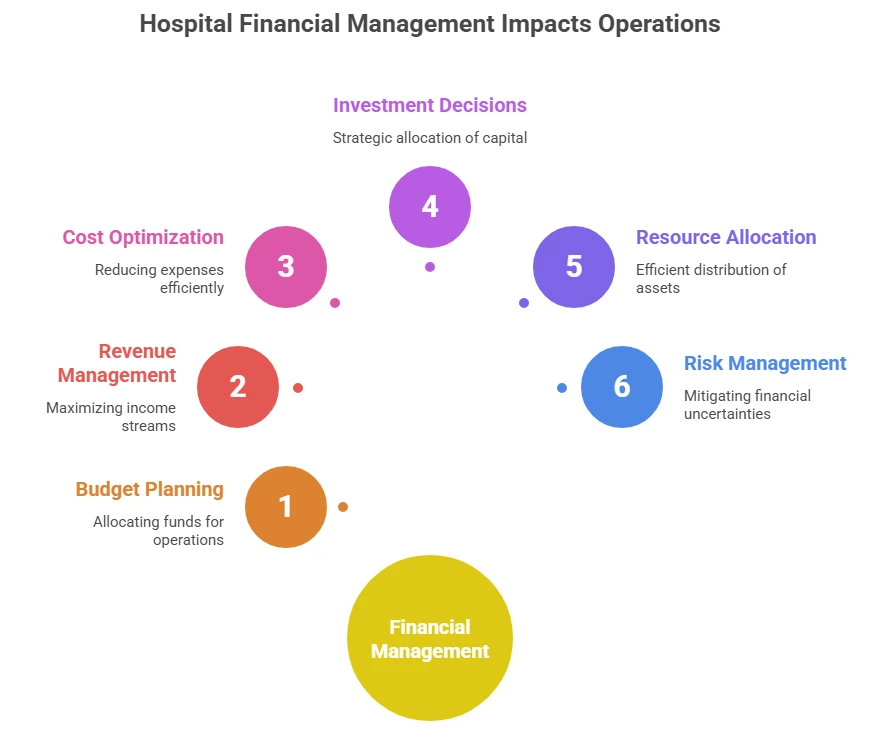
Hospital financial management refers to the planning, organizing, monitoring, and controlling of financial resources within healthcare organizations.

It involves:

  • Budget planning
  • Revenue management
  • Cost optimization
  • Investment decisions
  • Resource allocation
  • Financial risk management

The objective is to maintain operational efficiency while delivering quality patient care.

Why Financial Management Matters in Modern Hospitals

Hospitals operate in a complex environment with rising operational costs.

Increasing Technology Investments

Healthcare technologies require significant upfront and maintenance costs.

Growing Patient Expectations

Hospitals continuously improve infrastructure and services.

Rising Healthcare Competition

Financial efficiency directly impacts organizational sustainability.

Resource Optimization Needs

Hospitals must balance quality care with cost control.

As a result, hospital financial management has become a strategic function rather than only an accounting activity.

Bonus: Recession-Proof Careers in Healthcare Management 

Why High-Tech Medical Equipment Requires Strategic Budgeting

Advanced healthcare technologies involve long-term financial commitments.

Examples include:

  • MRI and CT scan systems
  • Robotic surgical equipment
  • Healthcare information systems
  • Telemedicine infrastructure
  • AI-powered healthcare tools

These technologies require planning beyond initial purchase costs.

Major Challenges in Budgeting for High-Tech Equipment

1. High Initial Investment Costs

Advanced medical equipment often requires substantial capital expenditure.

Managers must evaluate:

  • Purchase cost
  • Installation expenses
  • Infrastructure modifications

Poor planning can affect hospital finances significantly.

2. Maintenance and Operational Costs

Technology investments continue after purchase.

Additional expenses include:

  • Annual maintenance contracts
  • Software upgrades
  • Technical support
  • Equipment servicing

Ignoring these costs can create budget imbalances.

3. Technology Obsolescence

Healthcare technology evolves rapidly.

Equipment may become outdated within a few years.

Therefore, managers must consider long-term value and scalability.

4. Return on Investment Analysis

Hospitals need to assess whether technology investments improve:

  • Patient outcomes
  • Operational efficiency
  • Revenue generation

Financial planning should support strategic goals.

Bonus: Why Choose a 1-Year MBA in Healthcare? 

5. Balancing Quality and Cost

Healthcare organizations must provide quality care while maintaining affordability.

Managers often face difficult decisions regarding priorities and resource allocation.

Role of Healthcare Managers in Hospital Financial Management

Healthcare managers play an important role in budgeting and financial planning.

Key Responsibilities Include

  • Forecasting expenses
  • Budget preparation
  • Cost analysis
  • Financial reporting
  • Resource allocation
  • Investment evaluation

Strong financial decision-making directly impacts hospital performance.

How Technology is Changing Hospital Financial Planning

Digital systems now improve financial management efficiency.

Healthcare Analytics

Data helps managers predict spending patterns.

Financial Dashboards

Real-time monitoring improves budgeting accuracy.

AI-Based Forecasting

Advanced tools improve financial decision-making.

Managers with technology awareness gain an advantage in healthcare leadership roles.

Career Opportunities in Hospital Financial Management

Students researching mba in healthcare management colleges in india can pursue specialized financial and operational roles.

Popular Career Options

  • Hospital Finance Manager
  • Healthcare Operations Manager
  • Budget Planning Executive
  • Healthcare Consultant
  • Strategic Planning Manager

As healthcare organizations become more business-driven, financial management professionals remain in high demand.

How MBA in Healthcare Management Helps

An MBA in hospital and healthcare management helps students understand financial and operational aspects of healthcare systems.

Key Learning Areas

  • Healthcare finance
  • Strategic management
  • Leadership skills
  • Hospital administration
  • Operational planning

Institutes like Asia Pacific Institute of Management emphasize practical learning and industry-focused education. Students gain exposure to healthcare operations and real-world management challenges.

Why Delhi NCR is Ideal for Healthcare Education

Delhi NCR offers excellent healthcare and management learning opportunities.

Key Advantages

  • Access to modern healthcare organizations
  • Corporate healthcare exposure
  • Internship opportunities
  • Growing healthcare infrastructure

Students searching for the best colleges for mba in healthcare management often choose Delhi NCR due to strong industry connectivity.

Step-by-Step Guide to Build a Career in Hospital Financial Management

Step 1: Understand Healthcare Systems

Learn operational and financial healthcare structures.

Step 2: Choose the Right MBA Program

Enroll in an MBA in hospital and healthcare management.

Step 3: Develop Analytical Skills

Financial planning requires strong problem-solving ability.

Step 4: Gain Practical Exposure

Participate in healthcare internships and live projects.

Step 5: Stay Updated

Follow healthcare technology and financial management trends.

Key Insights for Students and Parents

  • Financial management is critical in modern healthcare organizations
  • Technology investments require strategic budgeting
  • Healthcare managers increasingly handle financial responsibilities
  • Practical industry exposure improves employability
  • Delhi NCR offers strong healthcare learning opportunities

Conclusion

Healthcare organizations increasingly rely on advanced technologies to improve patient outcomes and operational efficiency. However, successful technology adoption requires effective hospital financial management and strategic budgeting.

Students who understand healthcare finance and operational planning can build rewarding careers while contributing to sustainable healthcare systems.

Experience Campus Life

Build healthcare leadership expertise with industry-focused MBA programs designed for future financial management success.

Apply Now

About the Author

author

Dr. Vikas Gupta

Dr. Vikas Gupta is a distinguished academic in the education and research domain, specializing in finance and related interdisciplinary studies. He is known for his...

Read Full Bio →

Leave a comment

Your email address will not be published. Required fields are marked *

Frequently Asked Questions (FAQs)

01. What is hospital financial management?

It involves planning and managing healthcare financial resources efficiently.

02. Why is budgeting important for hospital equipment?

High-tech equipment requires large investments and ongoing costs.

03. What challenges exist in hospital financial planning?

Cost control, technology upgrades, and investment decisions are major challenges.

04. Can MBA healthcare graduates work in financial roles?

Yes, graduates can pursue healthcare finance and operations careers.

05. What skills are required for hospital financial management?

Analytical thinking, budgeting, communication, and strategic planning.

06. Why study healthcare management in Delhi NCR?

Delhi NCR offers healthcare exposure and industry opportunities.

07. How to choose the best healthcare management college?

Focus on practical learning, internships, and industry-oriented education.

Follow Us

Subscribe to Our Newsletter

Download Brochure

M.Sc/B.Sc Brochure

PGDM Brochure

MBA Brochure

Apply Now Call Us Email WhatsApp