Understanding Hospital Tariff Fixation: The Core Financial Skill of an MBA Grad
Posted on 11 Jun 2026
By Dr. Vikas Gupta
Introduction
Hospitals are often viewed primarily as healthcare institutions focused on patient care. However, behind every successful healthcare organization lies a complex financial system that ensures sustainability, operational efficiency, and quality service delivery.
One of the most critical aspects of healthcare finance is hospital tariff fixation—the process of determining the cost and pricing of medical services. From consultation fees and diagnostic procedures to surgeries and treatment packages, accurate tariff setting directly impacts a hospital's financial health and patient satisfaction.
For aspiring healthcare managers, understanding hospital financial management basics is essential. Among these skills, tariff fixation stands out as a core competency because it connects healthcare operations, finance, strategy, and patient care.
As healthcare organizations become increasingly data-driven and cost-conscious, professionals who understand healthcare pricing mechanisms are becoming highly valuable.
What Is Hospital Tariff Fixation?
Hospital tariff fixation refers to the systematic process of determining the prices charged for healthcare services.
These services may include:
Outpatient consultations
Diagnostic investigations
Surgical procedures
Room charges
Emergency services
Pharmacy services
Health check-up packages
The objective is to establish pricing that is:
Financially sustainable
Competitive
Transparent
Compliant with regulations
Acceptable to patients and insurers
Hospital tariffs must balance affordability with operational viability.
Why Tariff Fixation Matters in Healthcare Management
Unlike many industries, healthcare organizations must balance financial performance with patient welfare.
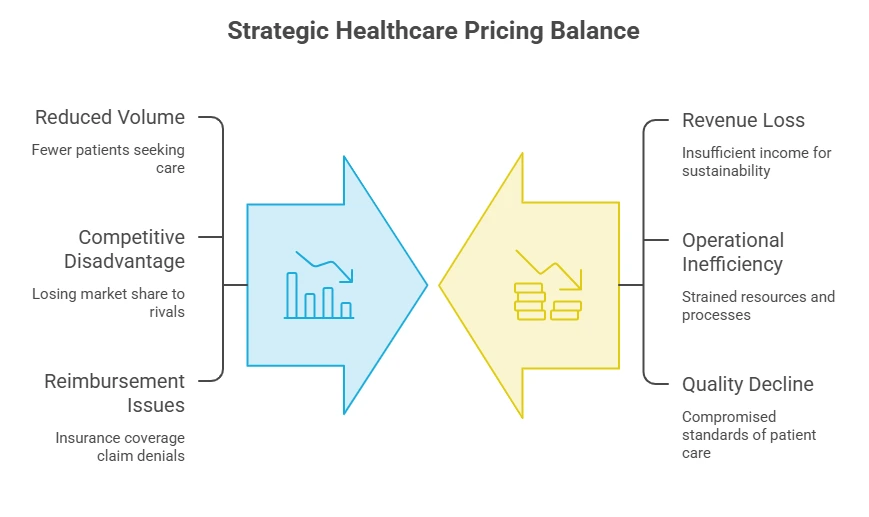
Incorrect pricing can create several challenges.
If Prices Are Too High
Hospitals may experience:
Reduced patient volume
Competitive disadvantages
Insurance reimbursement challenges
If Prices Are Too Low
Hospitals may face:
Revenue losses
Operational inefficiencies
Difficulty maintaining quality standards
Therefore, effective tariff fixation is a strategic function within healthcare management.
How MBA Graduates Contribute to Hospital Tariff Fixation
Healthcare organizations increasingly recruit management professionals to support financial planning and pricing strategies.
MBA graduates may contribute in several ways.
Cost Analysis
Evaluating service delivery expenses.
Market Research
Analyzing competitor pricing and patient demand.
Financial Forecasting
Estimating future revenue and cost trends.
Revenue Optimization
Identifying opportunities to improve financial performance.
Strategic Pricing
Developing sustainable and competitive tariff structures.
These responsibilities require both analytical and managerial expertise.
Challenges in Hospital Tariff Fixation
Healthcare pricing is becoming increasingly complex.
Common challenges include:
Rising Healthcare Costs
Medical technology and infrastructure investments continue to increase operational expenses.
Insurance Negotiations
Hospitals must align pricing with reimbursement agreements.
Regulatory Compliance
Healthcare pricing may be subject to government regulations and guidelines.
Patient Expectations
Patients increasingly seek transparency and value-based care.
Healthcare managers must balance these competing priorities effectively.
Skills Required for Healthcare Financial Management
Students interested in healthcare finance should develop several key competencies.
Financial Analysis
Understanding costs, revenues, and profitability.
Data Interpretation
Using financial and operational data to support decisions.
Strategic Thinking
Aligning pricing decisions with organizational goals.
Healthcare Knowledge
Understanding clinical services and healthcare delivery processes.
Communication Skills
Explaining financial decisions to stakeholders.
These skills are highly valued across hospitals, healthcare networks, and healthcare consulting organizations.
Career Opportunities in Healthcare Finance and Hospital Management
Understanding hospital finance can open multiple career pathways.
Healthcare Financial Analyst
Analyzes hospital financial performance and cost structures.
Revenue Cycle Manager
Oversees billing, reimbursement, and payment processes.
Hospital Operations Manager
Coordinates operational and financial activities.
Healthcare Consultant
Advises organizations on financial and operational improvements.
Healthcare Strategy Manager
Supports long-term planning and resource allocation.
These roles combine healthcare expertise with business management capabilities.
Why Healthcare Management Education Is Important
The healthcare industry increasingly requires professionals who can understand both patient care and financial sustainability.
Healthcare management programs help students develop expertise in:
Healthcare finance
Revenue cycle management
Hospital operations
Strategic planning
Quality management
Healthcare analytics
Institutions such as Asia Pacific Institute of Management emphasize practical learning, industry-oriented education, and healthcare management competencies that prepare students for leadership roles within healthcare organizations.
As hospitals become more complex, professionals who understand tariff fixation, revenue management, and healthcare finance will remain in high demand.
For healthcare management students, financial literacy is no longer optional—it is a critical leadership skill.
Conclusion
Hospital tariff fixation is far more than a pricing exercise. It is a strategic financial function that influences revenue generation, patient satisfaction, operational efficiency, and long-term sustainability.
For aspiring healthcare managers, mastering hospital financial management basics, understanding healthcare costing methods, optimizing revenue cycle management, and supporting effective pricing medical packages are essential competencies.
As healthcare organizations increasingly focus on financial performance and value-based care, professionals with strong healthcare finance expertise will play a critical role in shaping the future of healthcare management.
Advance Healthcare Leadership
Learn revenue management, healthcare analytics, and strategic decision-making for impactful careers in healthcare management.
Dr. Vikas Gupta is a distinguished academic in the education and research domain, specializing in finance and related interdisciplinary studies. He is known for his...



















.webp) Call Us
Call Us