PGDM Applications at AIM Are Closing Soon | Secure Your Seat Now

Why Private Equity Firms are Investing in Indian Hospitals

By Dr. Vikas Gupta

Why Private Equity Firms are Investing in Indian Hospitals

Introduction

India’s healthcare sector is experiencing rapid transformation. Rising healthcare demand, expanding hospital infrastructure, and increasing healthcare spending have made the industry attractive to investors.

One of the biggest trends shaping the sector today is the rise of healthcare private equity India investments. Private equity firms are increasingly investing in hospitals and healthcare organizations due to their long-term growth potential.

For students pursuing an MBA in hospital and healthcare management, understanding investment trends is becoming essential because healthcare today is not only about patient care but also about business strategy and financial growth.

What is Healthcare Private Equity?

Private equity refers to investments made by firms into businesses with strong growth potential.

In healthcare, private equity firms invest in:

  • Hospitals
  • Diagnostic centers
  • Healthcare startups
  • Specialty healthcare services
  • Healthcare technology platforms

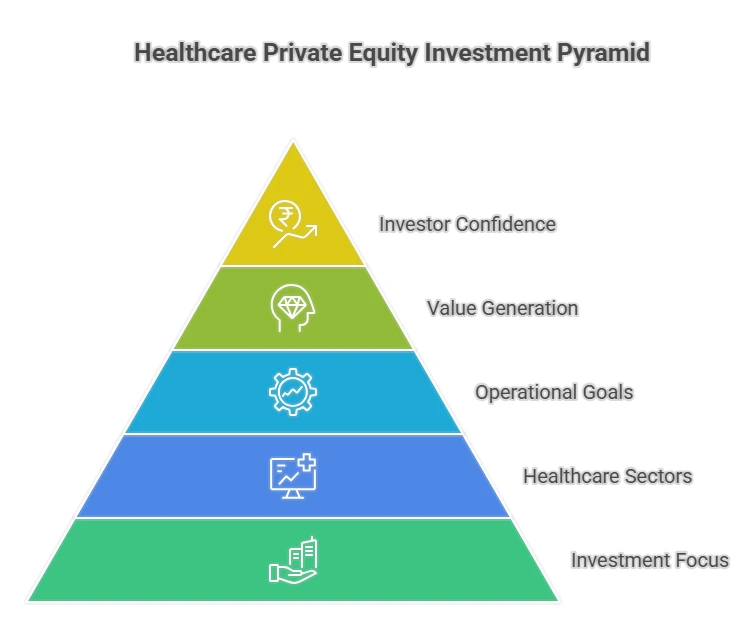
The goal is to improve operations, increase efficiency, and generate long-term value.

In simple terms, healthcare private equity India reflects growing investor confidence in India's healthcare ecosystem.

Why Indian Hospitals Are Attracting Investors

Several factors are driving investment activity in healthcare.

Growing Healthcare Demand

India’s population growth and increasing healthcare awareness are expanding patient demand.

Expansion of Healthcare Infrastructure

More hospitals and specialty centers are opening across cities and emerging markets.

Rising Health Insurance Penetration

Insurance accessibility is increasing healthcare utilization.

Growth of Preventive Healthcare

People now prioritize wellness and early diagnosis.

These factors create strong long-term growth opportunities for investors.

Bonus: Doctors Turning to MBA: Top Reasons 

Major Reasons Private Equity Firms Invest in Hospitals

1. Stable Industry Growth

Healthcare remains essential regardless of economic conditions.

Unlike many sectors, healthcare demand remains relatively consistent.

2. Strong Revenue Potential

Hospitals generate revenue through multiple channels.

Examples include:

  • Patient care services
  • Diagnostics
  • Surgeries
  • Health packages
  • Insurance partnerships

This diversification reduces financial risk.

3. Growing Demand for Quality Healthcare

Patients increasingly seek specialized and quality healthcare services.

Hospitals that improve quality and patient experience become attractive investment opportunities.

4. Expansion into Tier 2 and Tier 3 Cities

Healthcare demand in smaller cities continues to grow rapidly.

Private equity firms often see expansion opportunities in underserved markets.

5. Technology Integration Opportunities

Healthcare technology adoption is creating operational efficiencies.

Digital transformation includes:

  • Telemedicine
  • AI-enabled systems
  • Electronic health records
  • Data analytics

Technology-driven healthcare organizations often attract stronger investor interest.

Bonus: MBA to Healthcare Startup: Career Guide 

How Private Equity Impacts Hospitals

Investment does more than provide funding.

Improved Infrastructure

Hospitals gain resources for expansion and modernization.

Better Technology Adoption

Advanced systems improve patient care and operational efficiency.

Stronger Operational Systems

Investors often focus on process optimization.

Increased Employment Opportunities

Growing healthcare organizations create management and operational roles.

Career Opportunities Created by Healthcare Investments

Students researching mba in healthcare management colleges in india should understand that industry investments create new management opportunities.

Popular Career Roles

  • Healthcare Operations Manager
  • Hospital Administrator
  • Healthcare Consultant
  • Financial Planning Manager
  • Healthcare Strategy Executive

As healthcare organizations expand, demand for skilled managers also increases.

Why MBA in Healthcare Management Matters

An MBA in hospital and healthcare management helps students understand healthcare operations and business strategies.

Key Skills Developed

  • Strategic management
  • Healthcare finance
  • Leadership and communication
  • Hospital operations
  • Decision-making skills

Institutes like Asia Pacific Institute of Management focus on practical learning and industry-oriented education. Students gain exposure to real healthcare systems and management challenges.

Why Delhi NCR is a Strong Healthcare Hub

Delhi NCR offers strong healthcare infrastructure and learning opportunities.

Key Advantages

  • Presence of advanced healthcare organizations
  • Corporate healthcare ecosystem
  • Internship opportunities
  • Exposure to healthcare operations and management

Students searching for the best colleges for mba in healthcare management often choose Delhi NCR because of these industry benefits.

Step-by-Step Guide to Build a Healthcare Management Career

Step 1: Understand Healthcare Industry Trends

Learn how business and healthcare intersect.

Step 2: Choose the Right MBA Program

Enroll in an MBA in hospital and healthcare management program.

Step 3: Gain Practical Exposure

Participate in healthcare internships and live projects.

Step 4: Develop Analytical Skills

Healthcare management increasingly relies on business insights and strategy.

Step 5: Stay Updated

Follow healthcare investments, technology, and operational trends.

Key Insights for Students and Parents

  • Healthcare investments are increasing across India
  • Private equity is transforming hospital growth strategies
  • Healthcare management professionals are increasingly in demand
  • Practical exposure improves career opportunities
  • Delhi NCR offers strong healthcare learning ecosystems

Conclusion

The rise of healthcare private equity India investments reflects growing confidence in India’s healthcare future. Hospitals are no longer viewed only as healthcare institutions; they are increasingly becoming strategic businesses with strong growth potential.

Students who understand healthcare operations, finance, and management can build successful careers in this evolving industry landscape.

Experience Campus Life

Build healthcare leadership expertise with industry-focused MBA programs designed for future healthcare business growth.

Apply Now

About the Author

author

Dr. Vikas Gupta

Dr. Vikas Gupta is a distinguished academic in the education and research domain, specializing in finance and related interdisciplinary studies. He is known for his...

Read Full Bio →

Leave a comment

Your email address will not be published. Required fields are marked *

Frequently Asked Questions (FAQs)

01. What is healthcare private equity?

It refers to investment firms funding healthcare businesses with long-term growth potential.

02. Why are investors interested in Indian hospitals?

Due to rising healthcare demand and strong industry growth opportunities.

03. How do private equity investments help hospitals?

They improve infrastructure, technology adoption, and operational efficiency.

04. Can MBA healthcare graduates work in healthcare strategy roles?

Yes, management graduates can work in operations, consulting, and strategic planning.

05. Why is healthcare considered attractive for investment?

Healthcare demand remains stable and continues growing.

06. Why study healthcare management in Delhi NCR?

Delhi NCR offers strong industry exposure and healthcare infrastructure.

07. How to choose the best healthcare management college?

Focus on curriculum relevance, practical exposure, internships, and placement support.

Follow Us

Subscribe to Our Newsletter

Download Brochure

M.Sc/B.Sc Brochure

PGDM Brochure

MBA Brochure

Apply Now Call Us Email WhatsApp