Introduction
However, the healthcare industry in India is growing at a fast pace. In today’s world, only medical knowledge is no longer sufficient for handling various aspects of hospitals, health care laws, and other business aspects. This has made several doctors think of pursuing an MBA after MBBS.
This trend is particularly evident in metropolitan areas such as Delhi NCR.
The Problem: Limited Growth with Only Clinical Practice
After completing MBBS, many doctors face challenges such as:
- Limited career diversification
- Long working hours with slow financial growth
- Lack of decision-making authority in hospital management
- Minimal exposure to administrative or strategic roles
While clinical expertise is essential, it does not always translate into leadership or business success in today’s healthcare ecosystem.
Doctors Become Leaders
Transform medical expertise into leadership opportunities with healthcare management skills, strategic learning, and future-focused career growth.
Apply Now
→
The Solution: MBA After MBBS
An MBA after MBBS equips doctors with managerial, financial, and strategic skills. This combination allows them to move beyond clinical roles and enter leadership positions within the healthcare sector.
Programs such as MBA in hospital and healthcare management are specifically designed to bridge the gap between medicine and management.
Why MBA After MBBS Is Gaining Popularity
1. Expanding Career Opportunities
An MBA opens doors to multiple career paths, including:
- Hospital administration
- Healthcare consulting
- Pharmaceutical management
- Health insurance and policy roles
- Medical entrepreneurship
This diversification reduces dependency on clinical practice alone.
2. Higher Earning Potential
Doctors with management qualifications often move into leadership roles. These roles offer significantly higher salary packages compared to entry-level clinical positions.
Additionally, managerial roles provide structured career growth.
Bonus: AI in Hospitals: Skills Every Manager Needs
3. Leadership and Decision-Making Roles
Healthcare organizations require professionals who understand both medicine and management. With an MBA, doctors can take on roles such as:
- Hospital CEO or administrator
- Operations manager
- Healthcare strategist
This allows them to influence healthcare delivery at a systemic level.
4. Growing Demand in Healthcare Sector
India’s healthcare industry is expanding due to:
- Rising population
- Increased health awareness
- Growth of private hospitals
- Medical tourism
As a result, there is a strong demand for professionals trained in MBA in healthcare management colleges in India.
Lead Healthcare Success
Move beyond clinical practice with management expertise, healthcare leadership training, and industry-focused learning opportunities.
Apply Now
→
What Is MBA in Hospital and Healthcare Management?
An MBA in hospital and healthcare management is a specialized program that focuses on:
- Hospital operations
- Healthcare laws and ethics
- Financial management in healthcare
- Quality and patient care management
- Health information systems
This program is ideal for medical graduates who want to transition into administrative and strategic roles.
Why Delhi NCR Is a Preferred Location
Delhi NCR has become a hub for healthcare education and corporate hospitals. Students pursuing mba after mbbs in this region benefit from:
- Exposure to top hospitals and healthcare organizations
- Internship opportunities
- Corporate networking
- Access to experienced faculty
Institutes like Asia Pacific Institute of Management offer industry-oriented programs designed to meet modern healthcare demands.
Bonus: MBA Healthcare: Course, Scope & ROI
Key Skills You Gain with an MBA After MBBS
1. Business and Financial Skills
Doctors learn budgeting, financial planning, and hospital revenue management.
2. Strategic Thinking
Understanding how to scale healthcare services and improve operational efficiency.
3. Communication and Leadership
Managing teams, coordinating departments, and leading organizations effectively.
4. Data-Driven Decision Making
Using healthcare analytics to improve patient outcomes and operational performance.
Step-by-Step: How to Pursue MBA After MBBS
Step 1: Choose the Right Specialization
Select programs like MBA in hospital and healthcare management.
Step 2: Check Eligibility
Most institutes require:
- MBBS degree
- Entrance exam scores (CAT, MAT, CMAT, etc.)
Step 3: Select the Right College
When looking for the best colleges for mba in healthcare management, consider:
- Industry exposure
- Placement support
- Faculty expertise
- Curriculum relevance
Step 4: Apply and Prepare
Prepare for entrance exams and interviews.
Step 5: Gain Practical Experience
Choose programs that offer internships and live projects.
Career Opportunities After MBA in Healthcare Management
After completing your MBA, you can explore roles such as:
- Hospital Administrator
- Healthcare Consultant
- Operations Manager
- Pharmaceutical Product Manager
- Public Health Manager
These roles offer both stability and growth in a rapidly expanding industry.
Bonus: MBA Healthcare Salary Trends in India
Why Choose a Management Institute in Delhi NCR
Institutes in Delhi NCR provide:
- Industry-aligned curriculum
- Corporate exposure
- Strong placement networks
- Practical learning through case studies
Asia Pacific Institute of Management stands out by offering a practical learning approach, experienced faculty, and strong industry connections.
Key Insights for Students and Parents
- Combining medical and management skills creates long-term career security
- MBA helps doctors transition into less physically demanding roles
- The healthcare industry values multidisciplinary professionals
- Early specialization leads to faster career growth
Conclusion
The current practice of opting for MBA after MBBS can be explained due to the requirement for career progression, stability, and managerial positions. The future of the healthcare sector depends on the professionals who are aware about management as well as medical fields.
It is important for students from Delhi NCR to choose the correct institute for themselves.
Experience Campus Life
Explore healthcare leadership careers by pursuing an MBA after MBBS and unlock new opportunities today.
Apply Now
→
About the Author
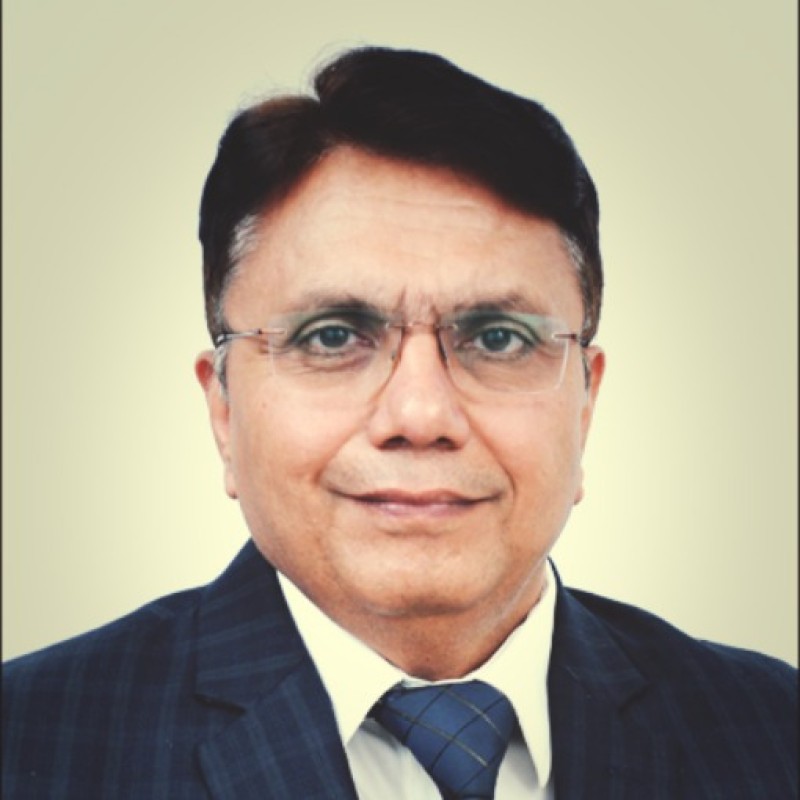
Dr. Vikas Gupta
Dr. Vikas Gupta is a distinguished academic in the education and research domain, specializing in finance and related interdisciplinary studies. He is known for his...
Read Full Bio →

















.webp) Call Us
Call Us