Top 5 Critical Decisions a Hospital CEO Makes Every Day (And How an MBA Prepares You)
Posted on 16 Jun 2026
By Dr. Vikas Gupta
Introduction
Modern hospitals are among the most complex organizations in any industry. Every day, healthcare leaders must balance patient care, financial sustainability, operational efficiency, technology adoption, workforce management, and regulatory compliance.
At the center of this ecosystem is the hospital CEO.
The role extends far beyond administrative oversight. Hospital CEOs make high-impact decisions that influence patient outcomes, organizational growth, employee performance, and long-term healthcare strategy.
Understanding hospital CEO roles and responsibilities provides valuable insights for students and professionals considering careers in healthcare leadership.
If your long-term goal is to enter top level hospital management, knowing how healthcare executives think and make decisions can help you build the right skills early.
What Does a Hospital CEO Do?
A hospital CEO is responsible for the overall performance and strategic direction of a healthcare organization.
Their responsibilities typically include:
Setting organizational goals
Managing financial performance
Improving patient outcomes
Leading healthcare teams
Ensuring regulatory compliance
Driving innovation and growth
Unlike leaders in many industries, hospital CEOs must balance business objectives with patient-centered care.
Every decision they make has implications for both healthcare quality and organizational sustainability.
Why Hospital CEOs Make Critical Decisions Daily
Healthcare environments are dynamic and highly unpredictable.
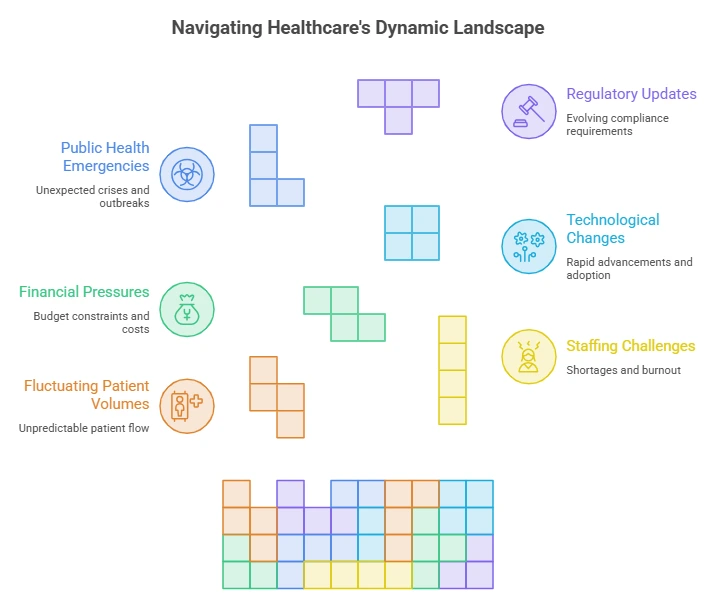
Hospital leaders must respond to:
Fluctuating patient volumes
Staffing challenges
Financial pressures
Technological changes
Public health emergencies
Regulatory updates
As a result, hospital CEOs continuously evaluate data, coordinate stakeholders, and make strategic decisions that shape organizational outcomes.
Let's explore the five most important decisions they make every day.
Understanding healthcare economics and resource allocation.
Operational Excellence
Improving efficiency and patient outcomes.
Change Management
Leading digital transformation and innovation.
Communication Skills
Coordinating teams and stakeholders effectively.
These capabilities prepare professionals for future leadership opportunities.
Skills Future Hospital CEOs Need
Students interested in healthcare leadership should focus on developing the following skills.
Analytical Thinking
Using data to support decisions.
Leadership
Managing teams and organizational change.
Financial Acumen
Understanding budgets, costs, and revenues.
Communication
Building relationships with stakeholders.
Problem-Solving
Addressing operational and strategic challenges.
These competencies form the foundation of successful healthcare leadership.
How an MBA in Healthcare Management Builds Leadership Capabilities
Healthcare management education combines business principles with healthcare-specific knowledge.
Students gain expertise in:
Hospital operations
Healthcare finance
Quality management
Healthcare analytics
Strategic management
Healthcare information systems
Programs that emphasize practical learning and industry exposure help students apply theoretical knowledge to real-world challenges.
Institutions such as Asia Pacific Institute of Management focus on industry-oriented healthcare management education, corporate interaction, practical projects, and leadership development that prepare students for future roles in healthcare administration and executive management.
The healthcare industry is evolving rapidly due to:
Digital transformation
Population health challenges
Technological innovation
Regulatory changes
Patient expectations
Future hospital CEOs must combine empathy, strategic thinking, and business expertise.
Organizations increasingly seek leaders who can navigate complexity while maintaining a strong focus on patient care.
For aspiring healthcare managers, understanding executive decision-making today can create a strong foundation for leadership success tomorrow.
Conclusion
Understanding hospital CEO roles and responsibilities provides valuable insight into the realities of healthcare leadership. Every day, hospital executives make critical decisions related to patient care, financial performance, technology adoption, workforce management, and crisis response.
As healthcare organizations continue evolving, the demand for leaders capable of making informed strategic decisions in healthcare will continue to grow.
For students aspiring to enter top level hospital management, developing expertise in operations, finance, analytics, and leadership is essential. Healthcare management education can provide the knowledge, practical exposure, and strategic mindset required to lead the next generation of healthcare organizations.
Shape Healthcare Strategy
Build practical management capabilities to lead teams, optimize resources, and navigate healthcare transformation successfully.
Dr. Vikas Gupta is a distinguished academic in the education and research domain, specializing in finance and related interdisciplinary studies. He is known for his...

















.webp) Call Us
Call Us