PGDM Applications at AIM Are Closing Soon | Secure Your Seat Now

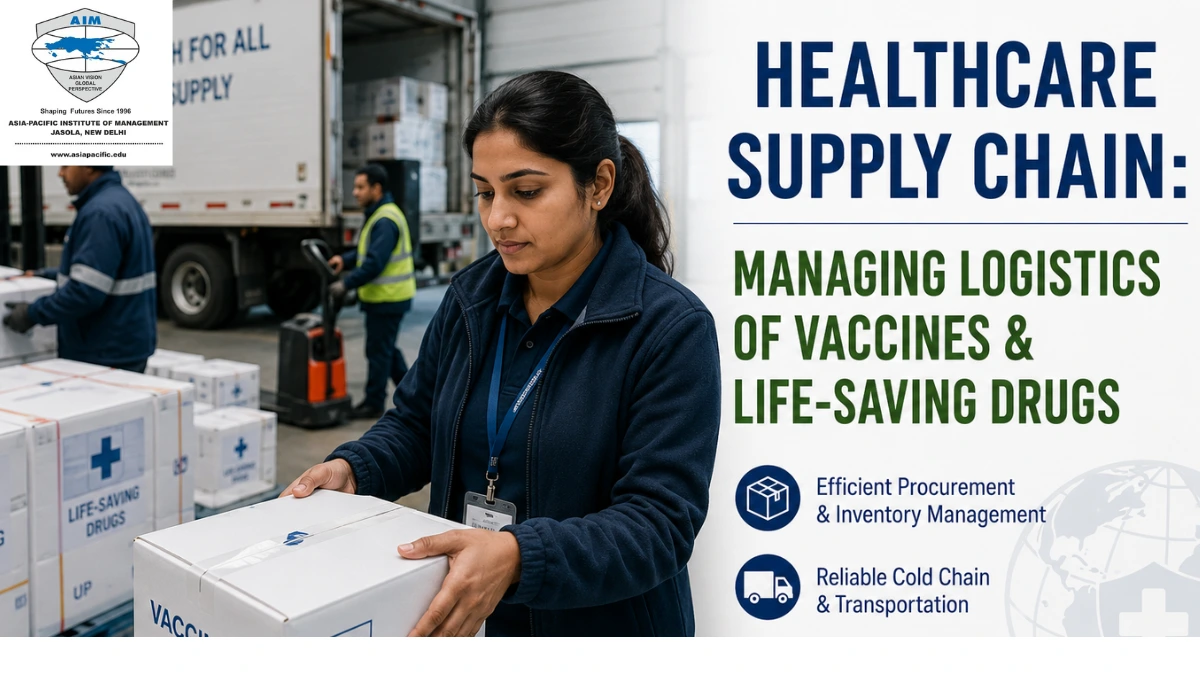
Healthcare Supply Chain: Managing Logistics of Vaccines & Life-Saving Drugs

By Dr. Vikas Gupta

Healthcare Supply Chain: Managing Logistics of Vaccines & Life-Saving Drugs

Introduction

Healthcare systems depend on more than doctors, hospitals, and medical technologies. Behind every successful treatment lies an efficient supply network that ensures medicines, vaccines, and critical medical products reach the right place at the right time.

The recent global health challenges highlighted the importance of healthcare supply chain management. Delays in vaccine delivery or shortages of life-saving drugs can directly affect patient care and healthcare outcomes.

For students considering an MBA in hospital and healthcare management, healthcare supply chains have become an exciting and high-growth specialization area.

What is Healthcare Supply Chain Management?

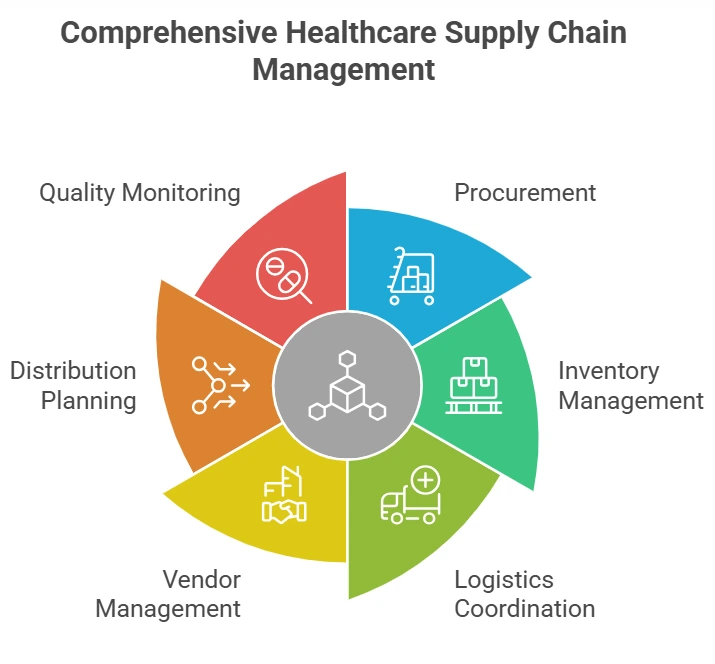
Healthcare supply chain management involves planning, sourcing, storing, and distributing medical products efficiently across healthcare systems.

It includes:

  • Procurement of medicines and equipment
  • Inventory management
  • Logistics coordination
  • Vendor management
  • Distribution planning
  • Quality monitoring

The goal is to ensure uninterrupted availability of essential healthcare resources.

Why Healthcare Supply Chains Matter More Today

Healthcare logistics has become increasingly complex.

Growing Demand for Medical Products

Healthcare organizations manage large volumes of medicines and medical supplies daily.

Expansion of Vaccine Distribution Networks

Vaccines often require strict temperature control and fast transportation.

Increasing Global Healthcare Dependency

Healthcare organizations now rely on interconnected global supply systems.

Rising Patient Expectations

Patients expect timely availability of medicines and healthcare services.

As a result, healthcare supply chain management has become a strategic healthcare function.

Bonus: MBA in Healthcare: Startup Success Guide 

Challenges in Managing Vaccines and Life-Saving Drugs

Healthcare products require specialized handling compared to traditional supply chains.

Cold Chain Requirements

Vaccines often require temperature-controlled transportation and storage.

Time-Sensitive Delivery

Critical medicines must reach hospitals without delays.

Inventory Management Challenges

Overstocking increases costs, while shortages affect patient care.

Regulatory Compliance

Healthcare products require strict quality and safety standards.

Geographic Accessibility

Delivering medicines to remote regions remains challenging.

These factors make healthcare logistics highly specialized.

Role of Healthcare Managers in Supply Chain Operations

Healthcare managers ensure efficient movement of critical medical products.

Major Responsibilities Include

  • Demand forecasting
  • Vendor and supplier coordination
  • Inventory planning
  • Risk management
  • Logistics monitoring
  • Cost optimization

Strong operational planning ensures healthcare continuity.

Technology is Transforming Healthcare Supply Chains

Modern healthcare logistics increasingly relies on technology.

Artificial Intelligence

AI helps predict demand and optimize inventory.

Real-Time Tracking Systems

Hospitals can monitor shipments and inventory movement instantly.

Data Analytics

Analytics improve forecasting and operational efficiency.

Automation

Automated systems reduce human errors and improve speed.

Managers with technology understanding gain an advantage in healthcare logistics roles.

Career Opportunities in Healthcare Supply Chain Management

Students exploring mba in healthcare management colleges in india can pursue multiple logistics and operations roles.

Popular Career Options

  • Healthcare Supply Chain Manager
  • Hospital Operations Manager
  • Pharmaceutical Logistics Manager
  • Procurement Manager
  • Healthcare Inventory Specialist
  • Healthcare Consultant

Demand for supply chain professionals is increasing across healthcare organizations.

How MBA in Healthcare Management Helps

An MBA in hospital and healthcare management develops skills required for managing healthcare operations and logistics systems.

Skills Developed Through Healthcare MBA Programs

  • Strategic management
  • Supply chain planning
  • Healthcare operations
  • Leadership and communication
  • Data-driven decision-making

Institutes like Asia Pacific Institute of Management focus on industry-oriented learning and practical exposure. Students gain real-world understanding of healthcare systems and operational challenges.

Why Delhi NCR is Ideal for Healthcare Management Education

Delhi NCR offers excellent opportunities for healthcare learning and industry exposure.

Key Advantages

  • Strong healthcare infrastructure
  • Pharmaceutical and healthcare networks
  • Internship opportunities
  • Corporate exposure

Students looking for the best colleges for mba in healthcare management often choose Delhi NCR due to its growing healthcare ecosystem.

Step-by-Step Guide to Build a Career in Healthcare Supply Chains

Step 1: Understand Healthcare Operations

Learn how healthcare systems manage resources and logistics.

Step 2: Choose the Right MBA Program

Enroll in an MBA in hospital and healthcare management.

Step 3: Develop Analytical Skills

Supply chains require planning and problem-solving abilities.

Step 4: Gain Practical Experience

Participate in internships and healthcare projects.

Step 5: Stay Updated

Follow healthcare logistics trends and technological innovations.

Importance of Choosing the Right Institute

Selecting the right institute influences long-term career growth.

Students should focus on:

  • Industry-oriented curriculum
  • Practical healthcare exposure
  • Internship support
  • Placement opportunities
  • Experienced faculty

A practical learning environment helps students understand real healthcare operational systems.

Bonus: Management Careers in Health Insurance Growth 

Key Insights for Students and Parents

  • Healthcare supply chains are critical for modern healthcare systems
  • Logistics management directly impacts patient outcomes
  • Technology is transforming healthcare operations
  • Practical industry exposure improves employability
  • Delhi NCR offers strong healthcare learning opportunities

Conclusion

Healthcare systems rely heavily on efficient logistics and operational planning. As healthcare becomes more technology-driven and globally connected, healthcare supply chain management is becoming increasingly important.

Students who develop expertise in healthcare operations and logistics can build rewarding careers while contributing to better healthcare delivery systems.

Experience Campus Life

Build healthcare operations expertise with industry-focused MBA programs designed for future supply chain leaders.

Apply Now

About the Author

author

Dr. Vikas Gupta

Dr. Vikas Gupta is a distinguished academic in the education and research domain, specializing in finance and related interdisciplinary studies. He is known for his...
Read Full Bio →

Leave a comment

Your email address will not be published. Required fields are marked *

Frequently Asked Questions (FAQs)

01. What is healthcare supply chain management?

It involves managing procurement, logistics, and distribution of healthcare products efficiently.

02. Why is healthcare logistics important?

It ensures timely delivery of medicines and healthcare resources.

03. What challenges exist in vaccine supply chains?

Cold storage, transportation, compliance, and inventory management are key challenges.

04. Can MBA healthcare students work in supply chain roles?

Yes, healthcare management graduates can pursue logistics and operations careers.

05. What skills are required for healthcare supply chain careers?

Analytical thinking, operations management, communication, and strategic planning.

06. Why study healthcare management in Delhi NCR?

Delhi NCR offers strong healthcare infrastructure and industry opportunities.

07. How to choose the best healthcare management college?

Focus on practical learning, internships, industry exposure, and placement support.

Follow Us

Subscribe to Our Newsletter

Download Brochure

M.Sc/B.Sc Brochure

PGDM Brochure

MBA Brochure

Apply Now Call Us Email WhatsApp