How to Manage a Multi-Specialty Hospital: Key Challenges
Posted on 19 May 2026
By Dr. Vikas Gupta
Introduction
Healthcare organizations are becoming larger, more complex, and highly specialized. Multi-specialty hospitals today provide a wide range of services under one roof, including cardiology, orthopedics, oncology, emergency care, diagnostics, and critical care.
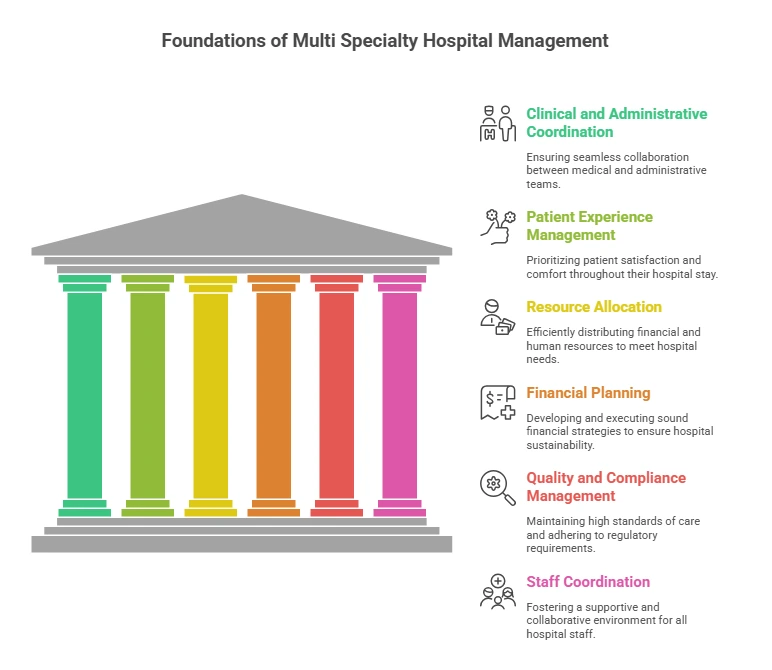
While this integrated approach improves patient convenience, it also creates operational challenges. Therefore, managing multi specialty hospitals requires strong leadership, strategic planning, and efficient coordination.
These competencies help managers handle complex healthcare environments.
How MBA in Healthcare Management Helps
An MBA in hospital and healthcare management prepares students for operational and leadership challenges.
Key Learning Areas
Hospital administration
Healthcare finance
Human resource management
Strategic planning
Healthcare operations
Institutes like Asia Pacific Institute of Management focus on practical learning and industry exposure. Students gain real-world understanding of healthcare systems and operational challenges.
Operational complexity increases with hospital expansion
Leadership and communication are essential
Practical healthcare exposure improves career readiness
Delhi NCR offers strong industry opportunities
Conclusion
The future of healthcare depends on efficient and patient-centered hospital systems. Therefore, managing multi specialty hospitals requires professionals who can balance operations, quality, technology, and patient care effectively.
Students who develop healthcare management expertise and practical experience can build rewarding leadership careers in this rapidly evolving industry.
Experience Campus Life
Build healthcare leadership skills with industry-focused MBA programs designed for future hospital management success.
Dr. Vikas Gupta is a distinguished academic in the education and research domain, specializing in finance and related interdisciplinary studies. He is known for his...


















.webp) Call Us
Call Us