Corporate Wellness Management: New Career Hub for Healthcare MBAs

PGDM Applications at AIM Are Closing Soon | Secure Your Seat Now

The Growth of Corporate Wellness Programs: The New Hiring Hub for Healthcare MBAs

By Dr. Vikas Gupta

The Growth of Corporate Wellness Programs: The New Hiring Hub for Healthcare MBAs

Introduction

The definition of healthcare is changing. Traditionally, healthcare focused on diagnosing and treating illnesses. Today, organizations are shifting their attention toward prevention, employee well-being, and long-term health outcomes.

This transformation has led to the rapid growth of corporate wellness management, creating exciting career opportunities for healthcare management professionals. Companies are investing heavily in employee health initiatives, recognizing that a healthy workforce contributes directly to productivity, engagement, and business performance.

As a result, healthcare MBAs are finding new opportunities beyond hospitals and healthcare institutions. Corporate wellness has emerged as one of the fastest-growing sectors for healthcare management graduates.

If you are exploring healthcare careers with leadership potential, understanding the rise of corporate wellness programs can help you identify promising opportunities for the future.

What Is Corporate Wellness Management?

Corporate wellness management involves designing, implementing, and evaluating programs that improve employee health, well-being, and workplace productivity.

These initiatives focus on preventing health issues rather than simply treating them.

A corporate wellness strategy may include:

  • Health screenings
  • Mental health support
  • Fitness programs
  • Nutrition counseling
  • Stress management initiatives
  • Chronic disease prevention
  • Workplace health education

Organizations increasingly view employee wellness as a strategic investment rather than an employee benefit.

Bonus:  Busting Hospital Administration Myths 

Why Corporate Wellness Programs Are Growing Rapidly

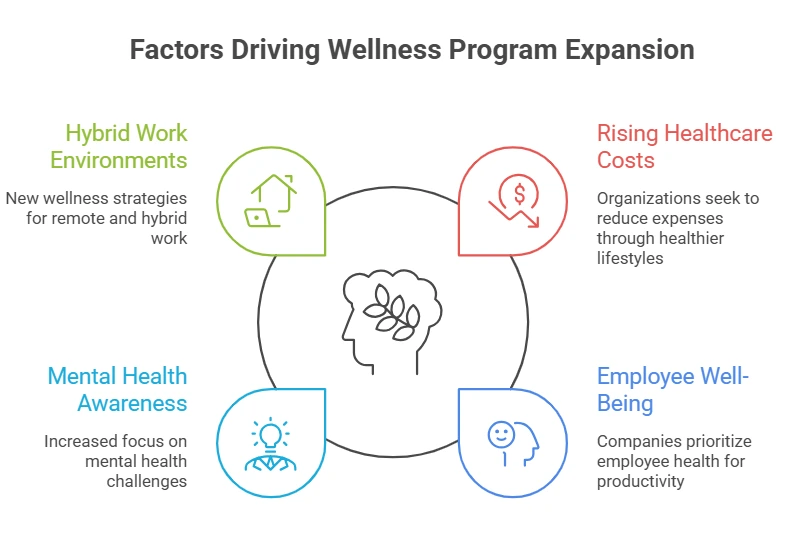
Several factors are driving the expansion of wellness programs across industries.

Rising Healthcare Costs

Organizations are seeking ways to reduce healthcare expenses by encouraging healthier lifestyles and preventive care.

Increased Focus on Employee Well-Being

Employee well-being has become a key business priority. Companies recognize that healthier employees are more productive and engaged.

Mental Health Awareness

Workplace stress, burnout, and mental health challenges have increased significantly in recent years.

Corporate wellness programs now include mental health initiatives alongside physical health programs.

Hybrid and Remote Work Environments

Modern work arrangements have created new wellness challenges, requiring organizations to develop innovative employee health strategies.

These trends continue to fuel demand for wellness professionals with healthcare and management expertise.

Lead Wellness Innovation

Build expertise in healthcare management and wellness strategy to drive employee well-being and organizational success.

Apply Now

Wellness Industry Growth 2026: Why the Future Looks Promising

The projected wellness industry growth 2026 is creating opportunities across multiple sectors.

The wellness ecosystem now includes:

  • Corporate wellness providers
  • Health-tech companies
  • Insurance organizations
  • Fitness and wellness platforms
  • Employee assistance programs
  • Occupational health services

As organizations increase investments in employee well-being, demand for healthcare management professionals is expected to grow.

This shift is creating an entirely new employment landscape for healthcare MBAs.

Why Healthcare MBAs Are Becoming Essential in Corporate Wellness

Corporate wellness programs require more than healthcare knowledge.

Organizations need professionals who can:

  • Design wellness strategies
  • Manage budgets
  • Analyze health data
  • Coordinate stakeholders
  • Measure program effectiveness
  • Lead wellness initiatives

Healthcare MBA graduates possess the unique combination of healthcare understanding and business management skills needed for these responsibilities.

This combination makes them highly attractive candidates in the evolving wellness sector.

Corporate Healthcare Jobs Are Expanding Beyond Hospitals

Many students assume healthcare careers are limited to hospitals and clinics.

However, today's healthcare ecosystem extends into corporate environments.

The rise of corporate healthcare jobs has created opportunities in:

Employee Health Management

Organizations hire professionals to oversee employee wellness initiatives and healthcare benefits.

Health Insurance Companies

Insurance providers use wellness programs to improve member health outcomes and reduce claims costs.

Wellness Consulting

Consultants help organizations develop customized wellness strategies and health initiatives.

Health-Tech Organizations

Technology companies create platforms and tools that support employee health programs.

Occupational Health Services

Professionals manage workplace health, safety, and wellness programs.

These roles offer healthcare professionals diverse career pathways outside traditional clinical settings.

The Rise of Preventive Healthcare Careers

Healthcare systems worldwide are shifting from treatment-focused models to prevention-focused strategies.

This change has accelerated demand for preventive healthcare careers.

Organizations increasingly invest in:

  • Disease prevention
  • Lifestyle management
  • Early health risk identification
  • Wellness education
  • Population health management

Preventive healthcare not only improves health outcomes but also reduces long-term healthcare costs.

Healthcare management professionals play a critical role in planning and implementing these initiatives.

Shape Health Futures

Prepare for emerging healthcare careers through industry-focused learning, leadership development, and practical business exposure.

Apply Now

Employee Wellness Strategist: A Fast-Growing Career Path

One of the most exciting emerging roles is that of an employee wellness strategist.

These professionals develop and manage workplace wellness programs designed to improve employee health and productivity.

Key Responsibilities

An employee wellness strategist may:

  • Assess workforce health needs
  • Develop wellness campaigns
  • Coordinate health initiatives
  • Analyze wellness program data
  • Collaborate with healthcare providers
  • Measure employee engagement

This role combines healthcare knowledge, strategic thinking, and leadership skills.

For healthcare MBA graduates, it represents a strong career opportunity with long-term growth potential.

Employee Health Programs Are Becoming Strategic Business Priorities

In the past, wellness initiatives were often considered optional.

Today, employee health programs are integrated into organizational strategy.

Companies increasingly use wellness initiatives to:

Improve Productivity

Healthy employees are more engaged and productive.

Reduce Absenteeism

Preventive health initiatives help reduce illness-related absences.

Strengthen Employee Retention

Wellness benefits contribute to employee satisfaction and loyalty.

Enhance Employer Branding

Organizations known for supporting employee well-being attract top talent.

As these programs become more sophisticated, demand for qualified wellness managers continues to increase.

Skills Required for Success in Corporate Wellness Management

Healthcare MBA graduates interested in wellness careers should focus on developing several key skills.

Leadership and Team Management

Wellness initiatives often involve multiple departments and stakeholders.

Data Analysis

Organizations increasingly rely on health data to evaluate program effectiveness.

Communication Skills

Wellness professionals must engage employees and promote participation.

Strategic Planning

Successful wellness programs require long-term planning and measurable objectives.

Healthcare Knowledge

Understanding health risks, prevention strategies, and healthcare systems remains essential.

These skills help professionals succeed in leadership roles within wellness-focused organizations.

Career Opportunities in Corporate Wellness Management

Graduates with healthcare management education can pursue a variety of roles.

Wellness Program Manager

Oversees corporate wellness initiatives and employee engagement programs.

Employee Wellness Strategist

Develops long-term wellness strategies aligned with organizational goals.

Corporate Healthcare Consultant

Advises organizations on employee health and wellness programs.

Occupational Health Manager

Manages workplace health and safety initiatives.

Population Health Analyst

Uses health data to improve workforce health outcomes.

Healthcare Benefits Manager

Coordinates healthcare benefits and wellness offerings for employees.

These positions reflect the growing integration of healthcare and corporate management.

Bonus:  Management Grads in Fraud Risk Management 

Why Healthcare Management Education Matters

As wellness programs become more complex, organizations increasingly seek professionals with formal management education.

Healthcare management programs help students develop expertise in:

  • Healthcare systems
  • Organizational leadership
  • Health economics
  • Data-driven decision-making
  • Wellness program management
  • Strategic planning

Institutions such as Asia Pacific Institute of Management emphasize industry-oriented learning, practical exposure, and healthcare-focused management education that prepares students for emerging roles in corporate wellness and preventive healthcare.

The Future of Corporate Wellness Management

The future of healthcare is shifting toward prevention, personalization, and employee well-being.

Organizations are expected to increase investments in:

  • Digital wellness platforms
  • Preventive healthcare initiatives
  • Mental health programs
  • Population health management
  • Workplace wellness technologies

This transformation is creating a sustainable demand for healthcare management professionals who can lead wellness strategies and improve organizational health outcomes.

For students considering healthcare management careers, corporate wellness represents one of the most promising growth areas of the coming decade.

Conclusion

The rise of corporate wellness management reflects a broader shift in healthcare toward prevention, employee well-being, and long-term health outcomes. Organizations now recognize that investing in employee wellness is not only beneficial for individuals but also essential for business success.

As corporate healthcare jobs, preventive healthcare careers, and wellness-focused leadership roles continue to expand, healthcare MBA graduates are uniquely positioned to take advantage of these opportunities.

For students seeking a future-focused healthcare career that combines management, strategy, and meaningful impact, corporate wellness management represents one of the most exciting and rapidly growing career paths available today.

Advance Healthcare Leadership

Gain management skills to lead wellness programs, preventive healthcare initiatives, and future-ready healthcare organizations.

Apply Now

About the Author

author

Dr. Vikas Gupta

Dr. Vikas Gupta is a distinguished academic in the education and research domain, specializing in finance and related interdisciplinary studies. He is known for his...

Read Full Bio →

Leave a comment

Your email address will not be published. Required fields are marked *

Frequently Asked Questions (FAQs)

01. What is corporate wellness management?

Corporate wellness management involves planning and managing employee health programs that promote well-being, productivity, and preventive healthcare.

02. What are corporate healthcare jobs?

Corporate healthcare jobs include wellness management, occupational health, healthcare consulting, employee health administration, and healthcare benefits management.

03. What are preventive healthcare careers?

Preventive healthcare careers focus on disease prevention, wellness promotion, population health management, and early intervention strategies.

04. What does an employee wellness strategist do?

An employee wellness strategist designs and manages workplace wellness programs aimed at improving employee health and organizational performance.

05. Why are employee health programs becoming important?

Employee health programs help organizations improve productivity, reduce healthcare costs, strengthen retention, and enhance workplace well-being.

06. Is corporate wellness a good career option for healthcare MBAs?

Yes. The growing wellness industry offers leadership opportunities, diverse career paths, and strong long-term growth potential.

07. How does wellness industry growth 2026 impact career opportunities?

The expansion of wellness services is increasing demand for professionals who can manage employee health initiatives and corporate wellness programs.

Follow Us

Subscribe to Our Newsletter

Download Brochure

BBA Brochure

PGDM Brochure

MBA Brochure

Apply Now Call Us Email WhatsApp