PGDM Applications at AIM Are Closing Soon | Secure Your Seat Now

Role of Healthcare Managers in Managing Global Pandemics

By Dr. Vikas Gupta

Role of Healthcare Managers in Managing Global Pandemics

Introduction

Global pandemics have transformed the healthcare industry forever. The recent health crises highlighted the importance of strong healthcare systems, efficient operations, and capable leadership.

During emergencies, healthcare professionals are not the only frontline contributors. Healthcare managers also play a critical role in ensuring hospitals and healthcare systems function effectively.

This has increased the importance of crisis management in healthcare, making healthcare management one of the most relevant career paths today.

For students considering an MBA in hospital and healthcare management, understanding pandemic management is essential for future leadership roles.

What is Crisis Management in Healthcare?

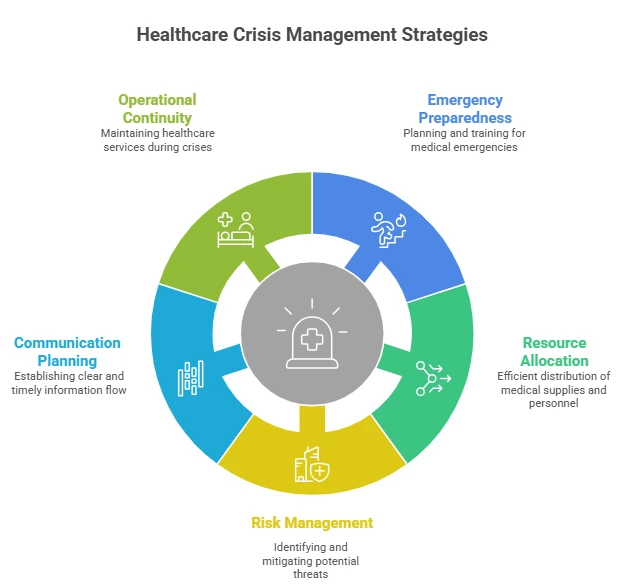
Crisis management in healthcare refers to the planning, coordination, and operational strategies used during medical emergencies and public health crises.

It involves:

  • Emergency preparedness
  • Resource allocation
  • Risk management
  • Communication planning
  • Operational continuity

Healthcare managers ensure that hospitals continue delivering quality care during challenging situations.

Why Healthcare Managers are Important During Pandemics

Pandemics create operational pressure on healthcare systems. Therefore, effective management becomes critical.

Key Challenges During Pandemics

  • Sudden increase in patient volume
  • Shortage of medical resources
  • Staff management issues
  • Communication challenges
  • Financial and operational disruptions

Healthcare managers coordinate these complex systems to maintain efficiency and patient safety.

Major Roles of Healthcare Managers During Global Pandemics

1. Resource Management

One of the biggest responsibilities is managing limited healthcare resources.

This includes:

  • Hospital beds
  • Medical equipment
  • Oxygen supply
  • Medicines and protective gear

Efficient allocation helps prevent system overload.

Bonus: Why ESG Matters in Hospital Management 

2. Staff Coordination and Workforce Management

Healthcare managers ensure proper staffing during emergencies.

Responsibilities include:

  • Shift scheduling
  • Workforce planning
  • Staff safety protocols
  • Mental health support

Strong leadership becomes essential during high-pressure situations.

3. Crisis Communication

Clear communication is critical during pandemics.

Managers coordinate communication between:

  • Hospital departments
  • Government authorities
  • Patients and families
  • Healthcare workers

This reduces confusion and improves operational efficiency.

4. Risk and Safety Management

Healthcare managers implement infection control and safety protocols.

Key areas include:

  • Patient safety guidelines
  • Sanitization protocols
  • Isolation management
  • Emergency response planning

These measures help reduce healthcare risks.

5. Technology and Data Management

Digital healthcare systems became essential during global pandemics.

Healthcare managers oversee:

  • Telemedicine platforms
  • Patient data systems
  • Healthcare analytics
  • Digital communication tools

Technology improves healthcare accessibility and operational coordination.

Bonus: Healthcare MBA GD Preparation Guide 

Importance of MBA in Healthcare Management

An MBA in hospital and healthcare management prepares students for leadership roles during healthcare crises.

Skills Developed Through the Program

  • Strategic decision-making
  • Healthcare operations management
  • Leadership and communication
  • Crisis response planning
  • Resource optimization

Institutes like Asia Pacific Institute of Management focus on practical and industry-oriented learning. This helps students understand real healthcare challenges and operational complexities.

Career Opportunities in Healthcare Crisis Management

Students exploring mba in healthcare management colleges in india can pursue multiple healthcare leadership roles.

Popular Career Paths

  • Hospital Operations Manager
  • Healthcare Administrator
  • Emergency Management Coordinator
  • Public Health Manager
  • Healthcare Consultant

The growing focus on healthcare preparedness is increasing demand for trained professionals.

Why Crisis Management Skills are Essential in Modern Healthcare

Healthcare organizations now prioritize preparedness and operational resilience.

Key Reasons

  • Increased global health risks
  • Rising patient expectations
  • Need for faster decision-making
  • Growing healthcare complexity

Managers with crisis-handling capabilities are highly valued in the healthcare sector.

Why Delhi NCR is Ideal for Healthcare Management Studies

Delhi NCR is one of India’s major healthcare hubs.

Key Advantages

  • Presence of advanced hospitals
  • Strong healthcare infrastructure
  • Internship opportunities
  • Exposure to large healthcare systems

Students searching for the best colleges for mba in healthcare management often choose Delhi NCR for its industry connectivity and practical learning opportunities.

How to Build a Career in Healthcare Crisis Management

Step 1: Choose the Right MBA Program

Enroll in an MBA in hospital and healthcare management.

Step 2: Understand Healthcare Systems

Learn hospital operations, emergency planning, and healthcare policies.

Step 3: Build Leadership Skills

Strong communication and decision-making are essential.

Step 4: Gain Practical Exposure

Participate in internships and healthcare projects.

Step 5: Stay Updated

Follow healthcare trends, public health policies, and digital healthcare innovations.

Importance of Choosing the Right Institute

The right institute shapes your career foundation.

Students should evaluate:

  • Industry-focused curriculum
  • Healthcare exposure
  • Internship support
  • Practical learning opportunities
  • Placement assistance

Asia Pacific Institute of Management provides industry-aligned healthcare education with practical exposure and corporate interaction, helping students become future-ready healthcare professionals.

Key Insights for Students and Parents

  • Crisis management is becoming essential in healthcare leadership
  • Healthcare managers play a critical role during pandemics
  • Practical healthcare education improves career readiness
  • Leadership and communication skills are highly important
  • Delhi NCR offers strong healthcare learning opportunities

Conclusion

Global health crises have highlighted the importance of strong leadership and efficient healthcare operations. As a result, crisis management in healthcare has become a vital skill for modern healthcare professionals.

Students pursuing healthcare management today are preparing for roles that directly impact healthcare systems, patient care, and emergency response strategies. With the right education and industry exposure, they can become future healthcare leaders.

Experience Campus Life

Develop healthcare leadership skills with industry-focused MBA programs designed for modern crisis management challenges today.

Apply Now

About the Author

author

Dr. Vikas Gupta

Dr. Vikas Gupta is a distinguished academic in the education and research domain, specializing in finance and related interdisciplinary studies. He is known for his...

Read Full Bio →

Leave a comment

Your email address will not be published. Required fields are marked *

Frequently Asked Questions (FAQs)

01. What is crisis management in healthcare?

It involves planning and managing healthcare operations during emergencies and pandemics.

02. Why are healthcare managers important during pandemics?

They coordinate operations, resources, communication, and patient management efficiently.

03. What skills are required for healthcare crisis management?

Leadership, communication, strategic thinking, and operational management are essential.

04. Is MBA healthcare useful for crisis management careers?

Yes, it provides the management and operational skills required in healthcare emergencies.

05. What are the career options after MBA healthcare?

Students can work in hospital administration, operations, consulting, and emergency management.

06. Why study healthcare management in Delhi NCR?

Delhi NCR offers strong healthcare infrastructure and practical industry exposure.

07. How to choose the best healthcare management college?

Focus on practical learning, internships, healthcare exposure, and placement support.

Follow Us

Subscribe to Our Newsletter

Download Brochure

M.Sc/B.Sc Brochure

PGDM Brochure

MBA Brochure

Apply Now Call Us Email WhatsApp