PGDM Applications at AIM Are Closing Soon | Secure Your Seat Now

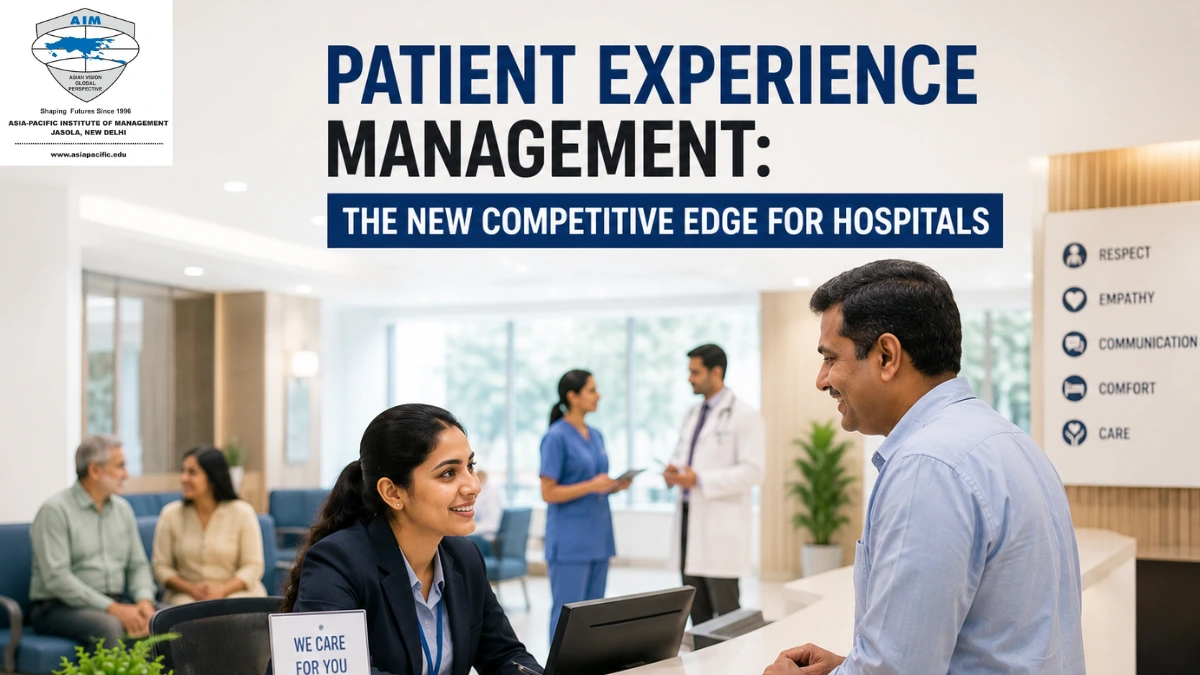
Patient Experience Management: The New Competitive Edge for Hospitals

By Dr. Vikas Gupta

Patient Experience Management: The New Competitive Edge for Hospitals

Introduction

Healthcare is no longer limited to clinical treatment and medical outcomes. Today, hospitals are also evaluated based on the quality of patient interactions and overall care experiences.

Patients now expect faster services, transparent communication, personalized care, and smooth healthcare journeys. As a result, patient experience management has become a major competitive advantage for hospitals.

For students planning an MBA in hospital and healthcare management, understanding patient experience strategies is becoming essential in modern healthcare leadership.

What is Patient Experience Management?

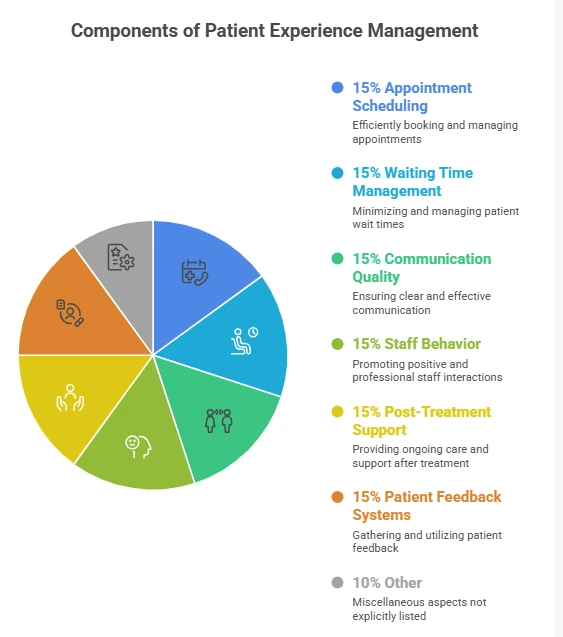
Patient experience management refers to the process of improving every interaction a patient has with a healthcare organization throughout their treatment journey.

It includes:

  • Appointment scheduling
  • Waiting time management
  • Communication quality
  • Staff behavior
  • Post-treatment support
  • Patient feedback systems

The objective is to create positive healthcare experiences that improve patient satisfaction and trust.

Why Patient Experience Matters More Than Ever

Healthcare consumers have become more informed and selective.

Increased Patient Expectations

Patients now expect convenience, transparency, and personalized care.

Competitive Healthcare Environment

Hospitals compete not only on medical expertise but also on service quality.

Online Reviews and Reputation

Patient experiences influence ratings and healthcare decisions.

Better Health Outcomes

Positive experiences often improve patient engagement and treatment adherence.

Therefore, hospitals increasingly prioritize patient experience management as a strategic function.

Bonus: Starting a Healthcare Business After MBA 

Components of Effective Patient Experience Management

Improving patient experiences requires a structured approach.

Seamless Appointment Systems

Digital scheduling and efficient patient flow reduce frustration.

Effective Communication

Clear communication builds trust and improves patient confidence.

Reduced Waiting Times

Patients value timely healthcare services.

Personalized Care

Customized experiences improve patient satisfaction.

Feedback and Improvement Systems

Hospitals should continuously collect and analyze patient feedback.

How Technology Improves Patient Experience

Technology is transforming healthcare interactions significantly.

Telemedicine Services

Virtual consultations improve accessibility and convenience.

Digital Health Records

Quick access to patient information improves efficiency.

Patient Portals

Patients can schedule appointments and access reports easily.

AI-Based Support Systems

Automated systems improve communication and reduce delays.

Healthcare managers increasingly rely on technology to optimize experiences.

Role of Healthcare Managers in Patient Experience Management

Healthcare managers play a critical role in designing patient-centered systems.

Key Responsibilities Include

  • Monitoring patient satisfaction metrics
  • Managing healthcare workflows
  • Improving operational efficiency
  • Coordinating healthcare teams
  • Implementing service improvement initiatives

These responsibilities directly impact patient trust and organizational performance.

Career Opportunities in Patient Experience Management

Students researching mba in healthcare management colleges in india can explore specialized roles in patient-centered healthcare functions.

Popular Career Roles

  • Patient Experience Manager
  • Hospital Operations Manager
  • Healthcare Service Manager
  • Patient Relationship Executive
  • Quality and Experience Coordinator

The increasing focus on healthcare service quality is creating new career opportunities.

Why MBA in Healthcare Management Matters

An MBA in hospital and healthcare management helps students develop healthcare leadership skills required in patient-focused environments.

Skills Developed Through Healthcare MBA Programs

  • Healthcare operations management
  • Leadership and communication
  • Strategic planning
  • Patient service optimization
  • Quality management

Institutes like Asia Pacific Institute of Management focus on practical learning and industry exposure. Students gain real-world understanding of healthcare operations and patient-centric management systems.

Why Delhi NCR is Ideal for Healthcare Education

Delhi NCR has become a leading destination for healthcare education and management careers.

Key Advantages

  • Presence of advanced healthcare organizations
  • Strong hospital infrastructure
  • Internship opportunities
  • Corporate healthcare exposure

Students looking for the best colleges for mba in healthcare management often prefer Delhi NCR due to its growing healthcare ecosystem.

How to Build a Career in Patient Experience Management

Step 1: Understand Healthcare Operations

Learn how hospitals function and manage patient journeys.

Step 2: Choose the Right MBA Program

Enroll in an MBA in hospital and healthcare management.

Step 3: Build Communication Skills

Strong interpersonal skills are essential.

Step 4: Gain Practical Exposure

Participate in internships and healthcare projects.

Step 5: Stay Updated with Industry Trends

Follow innovations in healthcare services and patient engagement.

Bonus: Impact of Health Insurance on Healthcare Management 

Key Insights for Students and Parents

  • Patient experience has become a major hospital differentiator
  • Healthcare managers play a critical role in service quality
  • Technology is transforming patient engagement
  • Practical healthcare education improves career readiness
  • Delhi NCR offers strong healthcare learning opportunities

Conclusion

Modern healthcare success depends on more than clinical expertise. Hospitals now compete on patient trust, satisfaction, and service quality. Therefore, patient experience management has become a critical function in healthcare organizations.

Students who understand patient-centered healthcare practices and develop strong management skills can build successful careers in this evolving industry.

Experience Campus Life

Develop healthcare leadership expertise with industry-focused MBA programs designed for patient-centered career growth today.

Apply Now

About the Author

author

Dr. Vikas Gupta

Dr. Vikas Gupta is a distinguished academic in the education and research domain, specializing in finance and related interdisciplinary studies. He is known for his...

Read Full Bio →

Leave a comment

Your email address will not be published. Required fields are marked *

Frequently Asked Questions (FAQs)

01. What is patient experience management?

It focuses on improving patient interactions and overall healthcare experiences.

02. Why is patient experience important in hospitals?

It improves satisfaction, trust, and healthcare outcomes.

03. What role do healthcare managers play in patient experience?

They design systems and strategies that improve patient journeys.

04. Is patient experience management a good career option?

Yes, demand is increasing due to growing focus on patient-centered care.

05. Can MBA healthcare students work in patient experience roles?

Yes, healthcare management graduates are well-suited for these positions.

06. Why study healthcare management in Delhi NCR?

Delhi NCR offers industry exposure and strong healthcare infrastructure.

07. How to choose the best healthcare management college?

Focus on practical learning, internships, industry exposure, and placement support.

Follow Us

Subscribe to Our Newsletter

Download Brochure

M.Sc/B.Sc Brochure

PGDM Brochure

MBA Brochure

Apply Now Call Us Email WhatsApp