

13 Oct 2026
Online MBA Healthcare for Busy Doctors: Study Without a Career Break


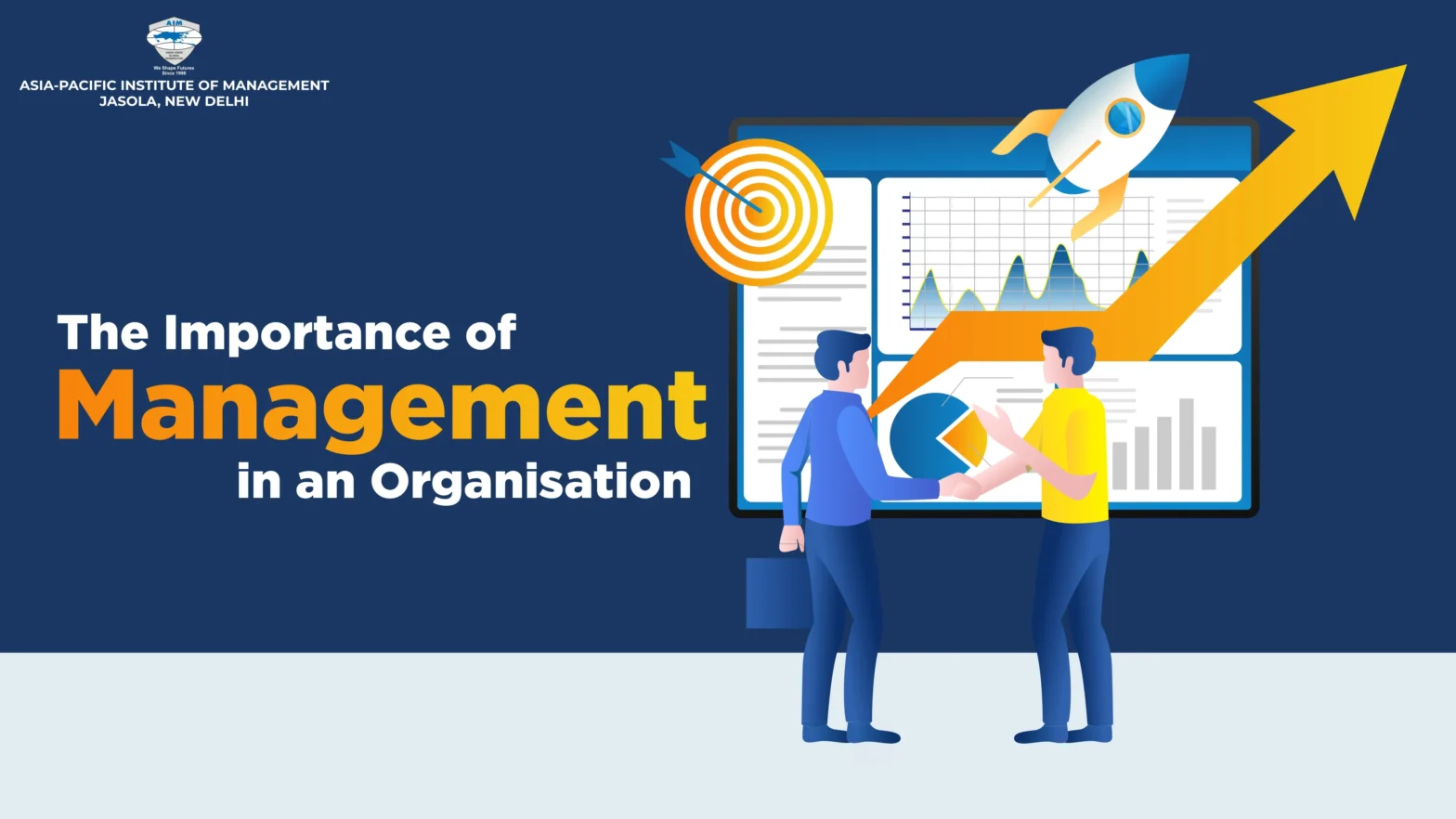
In today's dynamic and competitive business environment, management is no longer just a function; it is the backbone of an organisation. Effective management is crucial to achieving organisational goals, optimising resources, fostering innovation, and ensuring long-term sustainability. Whether you're a seasoned professional or an aspiring leader, understanding the importance of management in an organisation is essential for success. For those looking to build a career in management, pursuing an MBA from a reputed institution like a Top MBA College in Delhi or the Best MBA College in India can lay the foundation for future leadership roles.
Develop essential management skills to lead teams effectively, improve performance, and drive organizational success confidently.
Apply Now →Management involves the process of planning, organising, leading, and controlling resources within an organisation to achieve its objectives efficiently and effectively. It is about making strategic decisions, overseeing day-to-day operations, managing teams, and ensuring that all business activities align with the organisation’s goals.
The primary role of management is to set clear, measurable, and achievable objectives. Whether in a startup or a large corporation, effective managers establish a direction for the business, align team members with that vision, and ensure that all actions taken are in line with the company’s goals. By doing so, they provide a roadmap for success, ensuring that everyone is working toward the same vision.
One of the key aspects of management is resource optimisation. Resources like time, money, manpower, and technology are limited, and efficient management ensures these resources are used productively. Management is about making smart decisions to minimise waste, reduce costs, and increase overall efficiency. For instance, an organisation with effective management practices will allocate tasks based on team strengths and deploy financial resources in a way that maximises return on investment (ROI).
Gain strategic management knowledge and leadership capabilities that help organizations achieve sustainable growth and efficiency.
Apply Now →An organisation’s success is often directly linked to the quality of its leadership. Managers play a critical role in motivating, guiding, and empowering their teams. Effective leadership is about more than just directing employees; it’s about inspiring them to perform at their best. Through clear communication, conflict resolution, and recognising employee contributions, managers foster a positive work culture. A Best MBA College focuses on developing leadership skills through practical training and case studies, preparing graduates to step into leadership roles in organisations.
In today’s fast-evolving business world, companies must constantly innovate to stay ahead of the competition. Management plays a crucial role in facilitating innovation and driving change within an organisation. Good managers identify opportunities for improvement and ensure that the company adapts to market shifts, technological advancements, and evolving customer needs. The ability to embrace change, encourage creativity, and implement new strategies is vital to organisational growth and sustainability.
Every business faces risks—whether it’s financial, operational, or market-based. Management is responsible for identifying potential risks and developing strategies to mitigate them. By analysing risks, forecasting challenges, and preparing contingency plans, managers ensure the organisation is resilient even in the face of adversity. This foresight can prevent costly mistakes and allow a company to pivot when necessary, keeping it on track toward its goals.
A key responsibility of management is to monitor performance, identify areas for improvement, and implement corrective actions. This process involves regular evaluations, feedback, and the use of performance metrics to track progress. Managers ensure that the team is performing optimally and that any obstacles to success are addressed promptly. Continuous improvement is a hallmark of effective management, and this mindset drives long-term growth for an organisation.
A well-managed organisation not only focuses on short-term profits but also strives for sustainable long-term growth. This involves making strategic decisions that are environmentally, socially, and economically responsible. Managers work toward building an organisation that is adaptable, resilient, and capable of weathering external challenges while continuing to thrive in a competitive marketplace.
Effective management is at the heart of every successful organisation. From setting goals to optimising resources, driving innovation, and ensuring sustainable growth, management shapes the future of an organisation. For aspiring managers, an MBA from a Top MBA College in Delhi or the Best MBA College in India can provide the skills, knowledge, and credentials needed to excel in leadership roles. Ultimately, the importance of management in an organisation cannot be overstated—it is the key to navigating the complexities of the business world and driving success in the ever-evolving global marketplace.


13 Oct 2026
Online MBA Healthcare for Busy Doctors: Study Without a Career Break

13 Oct 2026
Healthcare Management vs Pharmaceutical Management: Which Career Is Better?
12 Oct 2026
Hospital Administration vs Healthcare Management: Roles, Skills & Career Scope

11 Oct 2026
MBA Healthcare vs MSc Healthcare Management: Which Should You Choose?

10 Oct 2026
Hybrid Learning in Executive Healthcare MBA: What to Expect






BBA Brochure

PGDM Brochure
MBA Brochure


.webp) Call Us
Call Us