PGDM Applications at AIM Are Closing Soon | Secure Your Seat Now

Common Myths About Working in Hospital Administration

By Dr. Vikas Gupta

Common Myths About Working in Hospital Administration

Introduction

Hospital administration has become one of the fastest-growing career fields within the healthcare industry. As hospitals and healthcare systems expand, the demand for skilled management professionals continues increasing.

However, despite this growth, many students and parents still have misconceptions about careers in healthcare administration. These misunderstandings often prevent students from exploring rewarding opportunities in healthcare leadership.

Understanding the reality behind these hospital administration myths can help students make better career decisions and explore the true scope of healthcare management.

For students considering an MBA in hospital and healthcare management, knowing the facts is essential before choosing this career path.

What is Hospital Administration?

Hospital administration involves managing the operational, financial, and strategic functions of healthcare organizations.

Hospital administrators oversee:

  • Healthcare operations
  • Staff coordination
  • Patient services
  • Resource management
  • Quality systems
  • Strategic planning

Their role ensures hospitals function efficiently while delivering quality patient care.

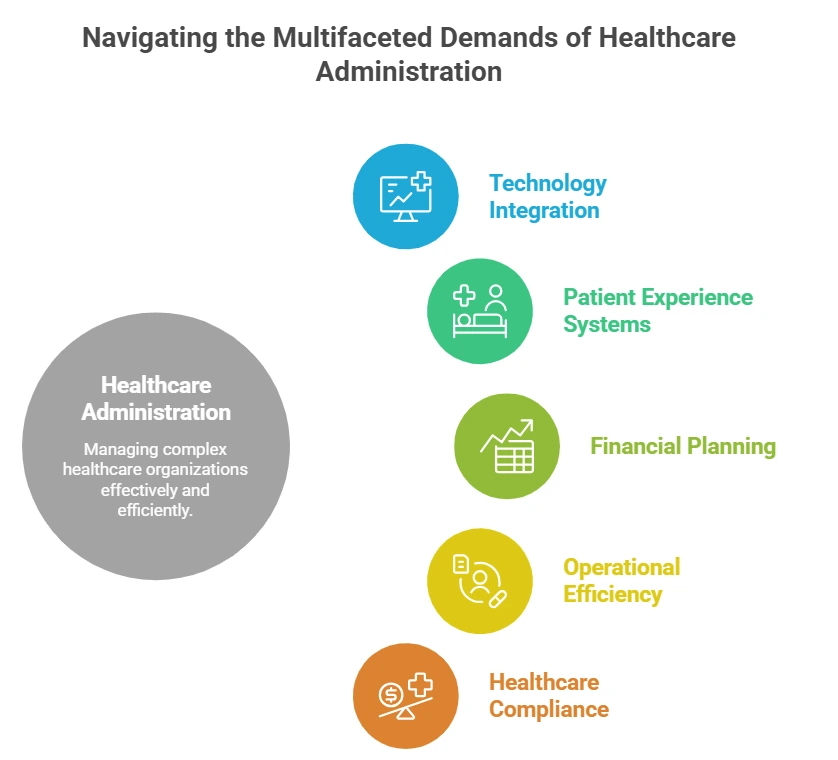
Why Hospital Administration is Growing Rapidly

The healthcare industry is becoming increasingly complex.

Hospitals now require professionals who can manage:

  • Technology integration
  • Patient experience systems
  • Financial planning
  • Operational efficiency
  • Healthcare compliance

As healthcare organizations expand, demand for skilled administrators continues growing.

Bonus: Healthcare Managers and Crisis Management 

Common Hospital Administration Myths

Myth 1: Hospital Administration is Only for Doctors

One of the biggest hospital administration myths is that only medical professionals can enter healthcare management.

Reality

Students from various academic backgrounds can pursue healthcare management programs.

An MBA in hospital and healthcare management focuses on operational and managerial skills rather than clinical practice.

Healthcare organizations increasingly require professionals with leadership and business expertise.

Myth 2: Hospital Administration Only Involves Desk Work

Many people assume administrators only handle paperwork and office tasks.

Reality

Hospital administrators actively participate in:

  • Operations management
  • Patient experience improvement
  • Team coordination
  • Strategic planning
  • Healthcare problem-solving

The role is highly dynamic and leadership-oriented.

Myth 3: Career Growth is Limited in Healthcare Administration

Some students believe healthcare administration offers limited advancement opportunities.

Reality

Healthcare management provides diverse career pathways.

Professionals can work in:

  • Hospitals
  • Healthcare startups
  • Health insurance organizations
  • Wellness centers
  • Healthcare consulting firms

Leadership opportunities continue expanding as healthcare systems grow.

Myth 4: Hospital Administration is Less Important Than Clinical Roles

Another misconception is that administrators play only a supporting role.

Reality

Efficient hospital management directly impacts:

  • Patient satisfaction
  • Operational efficiency
  • Healthcare quality
  • Financial sustainability

Healthcare administrators are critical to successful healthcare delivery.

Bonus: The Rise of Diagnostic Healthcare Careers 

Myth 5: Healthcare Management Requires Only Management Skills

Some students think operational skills alone are sufficient.

Reality

Healthcare administrators also need:

  • Communication abilities
  • Leadership skills
  • Analytical thinking
  • Technology awareness
  • Problem-solving capabilities

Modern healthcare management is multidisciplinary.

Myth 6: Technology Will Replace Hospital Administrators

With AI and automation growing rapidly, some fear technology may eliminate management roles.

Reality

Technology supports healthcare operations but cannot replace leadership, strategic decision-making, and human coordination.

Healthcare managers increasingly oversee digital transformation initiatives.

Myth 7: Healthcare Administration Careers Are Stressful With No Work-Life Balance

Healthcare environments can be demanding, leading to assumptions about excessive stress.

Reality

Like any leadership role, healthcare administration requires responsibility. However, career satisfaction often comes from meaningful work, growth opportunities, and healthcare impact.

Strong management training helps professionals handle challenges effectively.

Why MBA in Healthcare Management Helps

An MBA in hospital and healthcare management prepares students for leadership roles within modern healthcare systems.

Key Learning Areas

  • Healthcare operations
  • Strategic management
  • Leadership development
  • Healthcare finance
  • Patient relationship management

Institutes like Asia Pacific Institute of Management focus on practical learning and industry-oriented education. Students gain exposure to real healthcare systems and management challenges.

Career Opportunities in Hospital Administration

Students exploring mba in healthcare management colleges in india can pursue multiple healthcare leadership roles.

Popular Career Roles

  • Hospital Administrator
  • Healthcare Operations Manager
  • Patient Experience Manager
  • Healthcare Consultant
  • Quality Management Executive

Healthcare management careers continue expanding across multiple sectors.

Why Delhi NCR is Ideal for Healthcare Education

Delhi NCR has become a major healthcare and management education hub.

Key Advantages

  • Strong healthcare infrastructure
  • Corporate healthcare ecosystem
  • Internship opportunities
  • Industry exposure

Students searching for the best colleges for mba in healthcare management often choose Delhi NCR due to its professional opportunities.

Step-by-Step Guide to Build a Career in Hospital Administration

Step 1: Understand Healthcare Systems

Learn how hospitals and healthcare organizations function.

Step 2: Choose the Right MBA Program

Enroll in an MBA in hospital and healthcare management.

Step 3: Build Leadership Skills

Communication and teamwork are critical.

Step 4: Gain Practical Exposure

Participate in healthcare internships and projects.

Step 5: Stay Updated

Follow healthcare management and technology trends.

Key Insights for Students and Parents

  • Hospital administration offers diverse career opportunities
  • Healthcare management extends beyond clinical roles
  • Leadership and communication are essential skills
  • Practical exposure improves employability
  • Delhi NCR offers strong healthcare learning opportunities

Conclusion

Many students hesitate to explore healthcare management because of common hospital administration myths. However, the reality is that healthcare administration offers dynamic, future-ready, and leadership-focused career opportunities.

Students who combine healthcare understanding with management skills can build rewarding careers while contributing to modern healthcare systems.

Experience Campus Life

Build healthcare leadership expertise with industry-focused MBA programs designed for future hospital administration careers.

Apply Now

About the Author

author

Dr. Vikas Gupta

Dr. Vikas Gupta is a distinguished academic in the education and research domain, specializing in finance and related interdisciplinary studies. He is known for his...

Read Full Bio →

Leave a comment

Your email address will not be published. Required fields are marked *

Frequently Asked Questions (FAQs)

01. What is hospital administration?

It involves managing operations and systems within healthcare organizations.

02. Can non-medical students pursue hospital administration?

Yes, students from multiple backgrounds can pursue healthcare management programs.

03. Is hospital administration a good career option?

Yes, it offers strong career growth and leadership opportunities.

04. What jobs are available in hospital administration?

Graduates can work in operations, quality management, consulting, and administration roles.

05. Does technology affect healthcare management careers?

Technology is increasing opportunities for skilled healthcare managers.

06. Why study healthcare management in Delhi NCR?

Delhi NCR offers healthcare infrastructure and industry exposure.

07. How to choose the best healthcare management college?

Focus on curriculum quality, practical exposure, internships, and placement support.

Follow Us

Subscribe to Our Newsletter

Download Brochure

BBA Brochure

PGDM Brochure

MBA Brochure

Apply Now Call Us Email WhatsApp