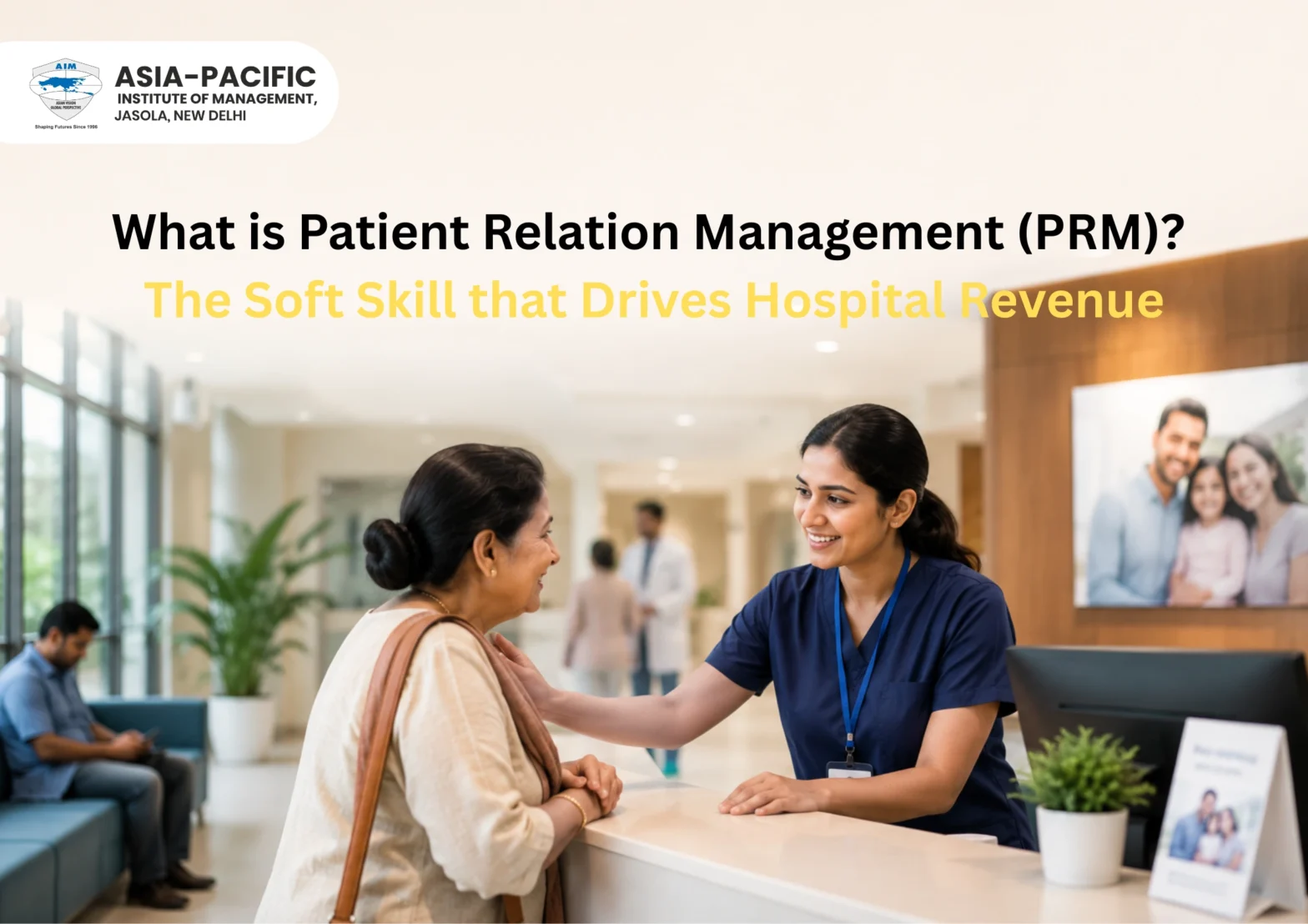
What is Patient Relation Management (PRM)? The Soft Skill that Drives Hospital Revenue
Posted on 28 Jul 2026
By Dr. Vikas Gupta
Introduction
In today's healthcare industry, excellent clinical care alone is no longer enough to build a hospital's reputation. Patients now expect empathy, clear communication, timely support, and personalized care throughout their healthcare journey. This growing focus on patient satisfaction has made patient relation management a strategic function in modern hospitals.
Patient Relation Management (PRM) bridges the gap between medical services and patient expectations. It ensures that every interaction—from admission to discharge—is handled professionally, creating a positive patient experience while improving operational efficiency. Hospitals that invest in strong patient relationships often experience higher patient retention, stronger brand reputation, and increased revenue.
As healthcare becomes increasingly competitive, professionals skilled in patient communication, conflict resolution, and service excellence are becoming indispensable. This blog explores what patient relation management is, why it matters, the essential skills required, career opportunities, and how it contributes to hospital growth.
Strengthen Patient Relations
Build empathy, communication, and service skills to improve patient experience, hospital loyalty, and healthcare management career growth today.
Patient relation management is the process of managing interactions between healthcare providers, patients, and their families to ensure a positive, compassionate, and seamless healthcare experience. It combines communication, customer service, problem-solving, and emotional intelligence to improve patient satisfaction and strengthen long-term trust.
Unlike traditional administrative roles, PRM focuses on understanding patient needs, resolving concerns promptly, and ensuring every patient feels respected and supported throughout their treatment journey.
Why Patient Relation Management Matters in Healthcare
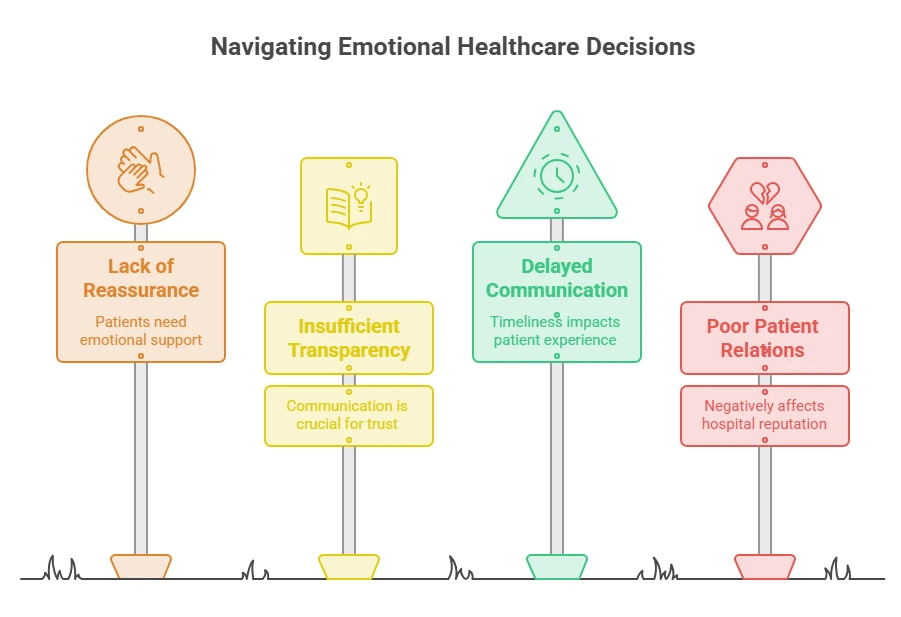
Healthcare decisions are often emotional and stressful. Patients and their families seek reassurance, transparency, and timely communication alongside quality medical treatment.
One of the most challenging aspects of patient relation management is handling aggressive patient relatives. Emotional distress, long waiting times, or misunderstandings can sometimes lead to difficult interactions.
Effective strategies include:
Remaining calm and professional
Listening without interruption
Showing empathy
Providing accurate information
Avoiding arguments
Involving senior staff when necessary
Following hospital escalation protocols
Proper training enables patient relation professionals to de-escalate conflicts while maintaining a safe and respectful environment.
Lead Patient Experience
Prepare for PRM, floor administration, and customer care roles through practical MBA learning and hospital exposure with expert mentorship.
Modern healthcare increasingly emphasizes customer care in hospitals as part of delivering high-quality patient services.
Excellent customer care includes:
Friendly communication
Quick response to patient requests
Respectful interactions
Personalized assistance
Efficient complaint resolution
Transparent communication
Strong customer care contributes to better patient satisfaction and strengthens long-term relationships.
Hospitality in Healthcare: Creating Comfort Beyond Treatment
The concept of hospitality in healthcare extends beyond medical treatment. It focuses on making patients feel comfortable, respected, and valued throughout their hospital stay.
Hospitals now incorporate hospitality practices such as:
Patient-centered communication
Comfortable waiting areas
Efficient service delivery
Personalized assistance
Clean and welcoming environments
Continuous patient engagement
By combining clinical excellence with exceptional service, hospitals can significantly enhance the overall patient experience.
The Role of Corporate Hospital Floor Admin
A corporate hospital floor admin plays a vital role in coordinating daily patient services and ensuring smooth hospital operations.
Typical responsibilities include:
Supervising patient flow
Coordinating admissions and discharges
Managing departmental communication
Monitoring patient satisfaction
Supporting patient relation teams
Handling service escalations
Ensuring adherence to hospital policies
This role requires strong organizational, communication, and leadership skills.
Career Opportunities in Patient Relation Management
As hospitals prioritize patient experience, demand for PRM professionals continues to grow across healthcare organizations.
Popular career roles include:
Patient Relation Executive
Patient Experience Officer
Hospital Customer Care Executive
Floor Coordinator
Corporate Hospital Floor Admin
Healthcare Service Manager
Patient Services Coordinator
Front Office Manager
Professionals with strong interpersonal skills and healthcare management knowledge are well-positioned for rewarding careers in this field.
Patient Experience Officer Salary in India
The patient experience officer salary varies depending on qualifications, experience, location, and the type of healthcare organization.
Entry-level professionals generally earn competitive starting salaries, while experienced patient experience managers and healthcare service leaders can command significantly higher compensation packages. Additional benefits often include performance incentives, career advancement opportunities, and specialized training programs.
Candidates with formal education in healthcare management, hospital administration, or management studies often enjoy stronger career prospects and faster professional growth.
Technology Enhancing Patient Relation Management
Digital technologies are transforming patient engagement and service delivery.
Hospitals increasingly use:
Patient relationship management software
Mobile healthcare applications
Online appointment systems
Digital feedback platforms
AI-powered chat support
Electronic health records
Automated communication tools
These technologies improve communication while enabling personalized patient experiences.
Skills Students Should Develop for PRM Careers
Students aspiring to build careers in hospital management and patient services should focus on developing:
Communication skills
Leadership abilities
Emotional intelligence
Customer service orientation
Healthcare operations knowledge
Conflict management
Digital literacy
Team collaboration
Industry-oriented management programs that combine classroom learning with practical hospital exposure help students build these competencies. Institutions such as Asia Pacific Institute of Management prepare future healthcare management professionals through experiential learning, corporate interaction, and industry-relevant education aligned with evolving healthcare needs.
Patient relation management has become a cornerstone of modern healthcare delivery. By combining empathy, communication, customer service, and operational coordination, PRM professionals create positive patient experiences that strengthen hospital reputation and improve financial performance.
As healthcare organizations continue prioritizing patient-centric care, skilled professionals in patient relations, customer care, hospitality, and healthcare administration will remain in high demand. For students seeking meaningful careers in healthcare management, developing expertise in patient relation management offers opportunities to make a lasting impact while contributing to organizational success.
Build Service Excellence
Turn soft skills into revenue-driving healthcare leadership with patient communication, conflict resolution, and service management training for growth.
Dr. Vikas Gupta is a distinguished academic in the education and research domain, specializing in finance and related interdisciplinary studies. He is known for his...
Patient relation management is the process of managing patient interactions to improve communication, satisfaction, trust, and overall healthcare experiences.
02.
Why is patient relation management important?
It enhances patient satisfaction, improves hospital reputation, increases patient retention, and contributes to long-term revenue growth.
03.
What skills are required for patient relation management?
Key skills include communication, empathy, emotional intelligence, problem-solving, conflict resolution, leadership, and customer service.
04.
How do professionals handle aggressive patient relatives?
They remain calm, listen actively, provide accurate information, demonstrate empathy, and follow established conflict-resolution procedures.
05.
What does a corporate hospital floor admin do?
A corporate hospital floor admin coordinates patient services, manages hospital operations, supervises patient flow, and ensures service quality across departments.
06.
Is patient relation management a good career?
Yes. With increasing emphasis on patient experience, healthcare organizations actively seek skilled professionals in patient relations, customer care, and hospital administration.
07.
What factors influence patient experience officer salary?
Salary depends on education, experience, healthcare organization, location, responsibilities, and professional certifications.

















.webp) Call Us
Call Us